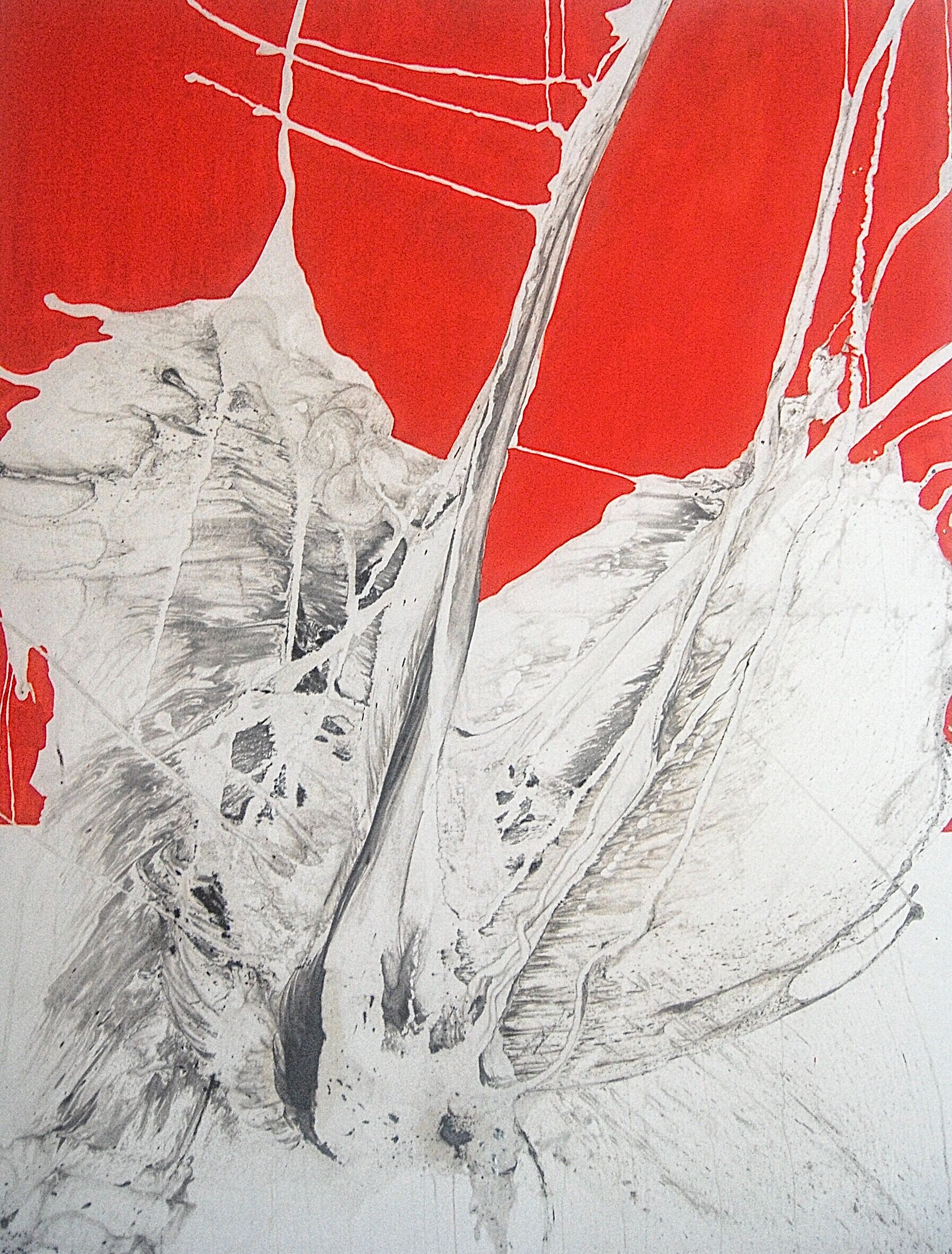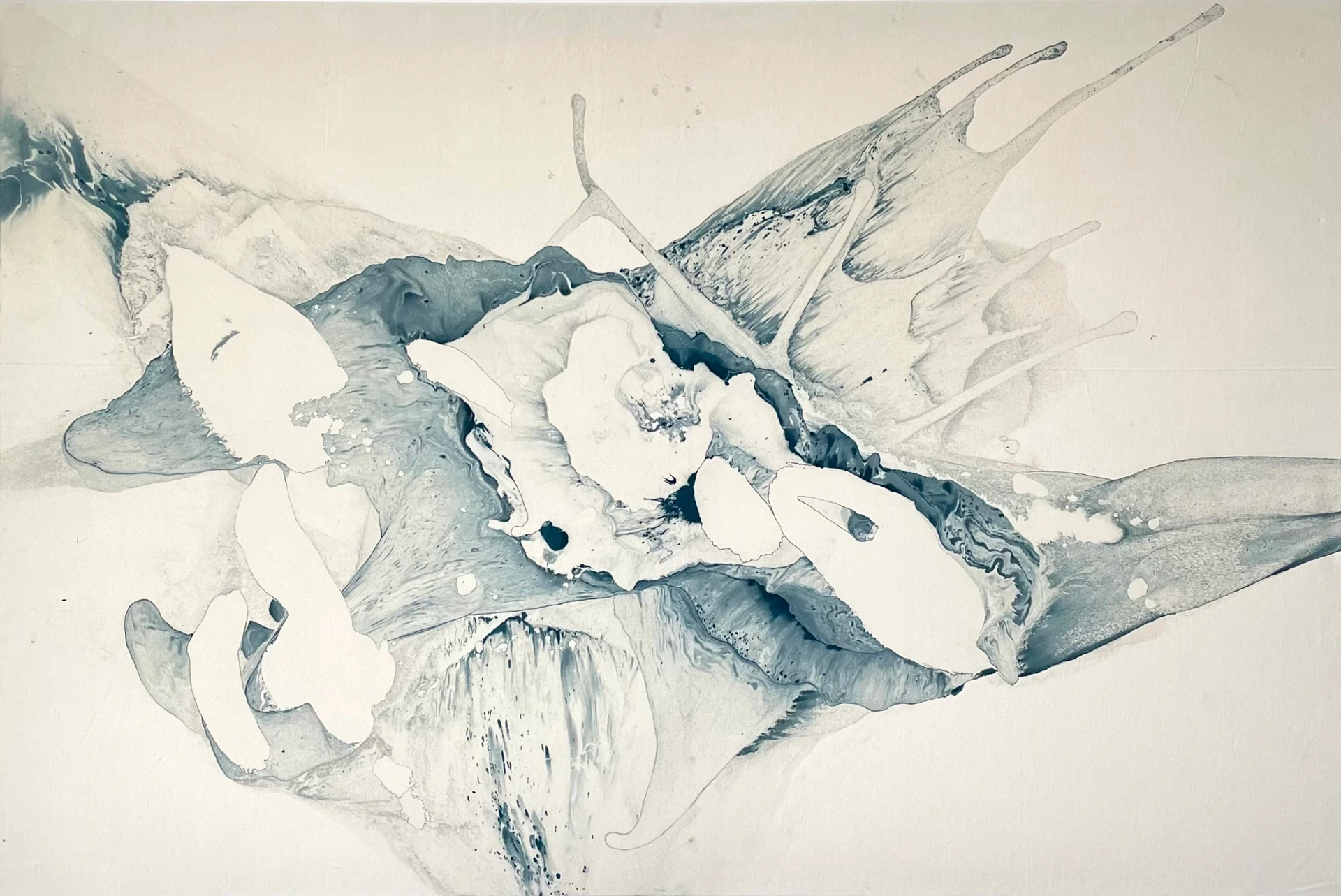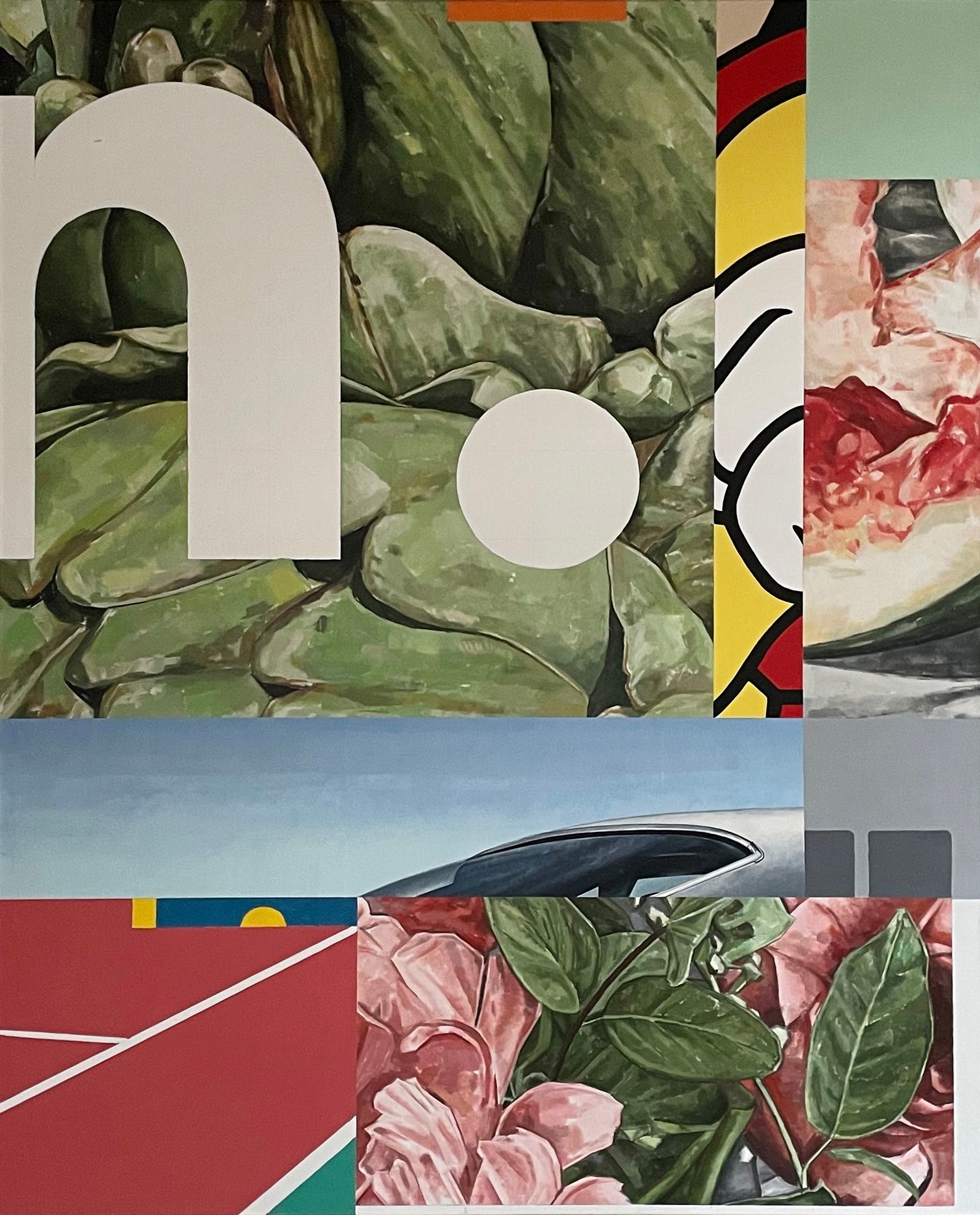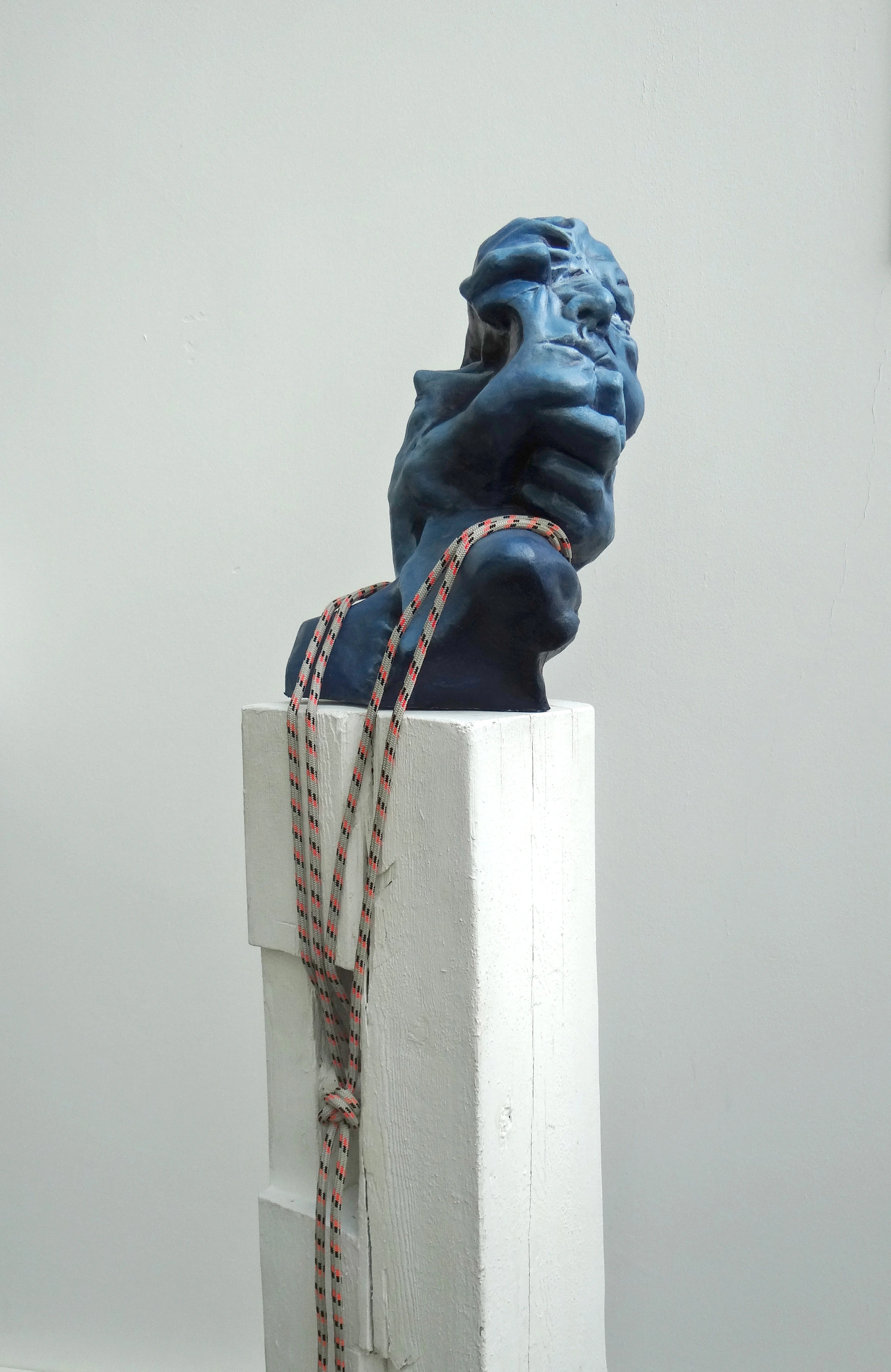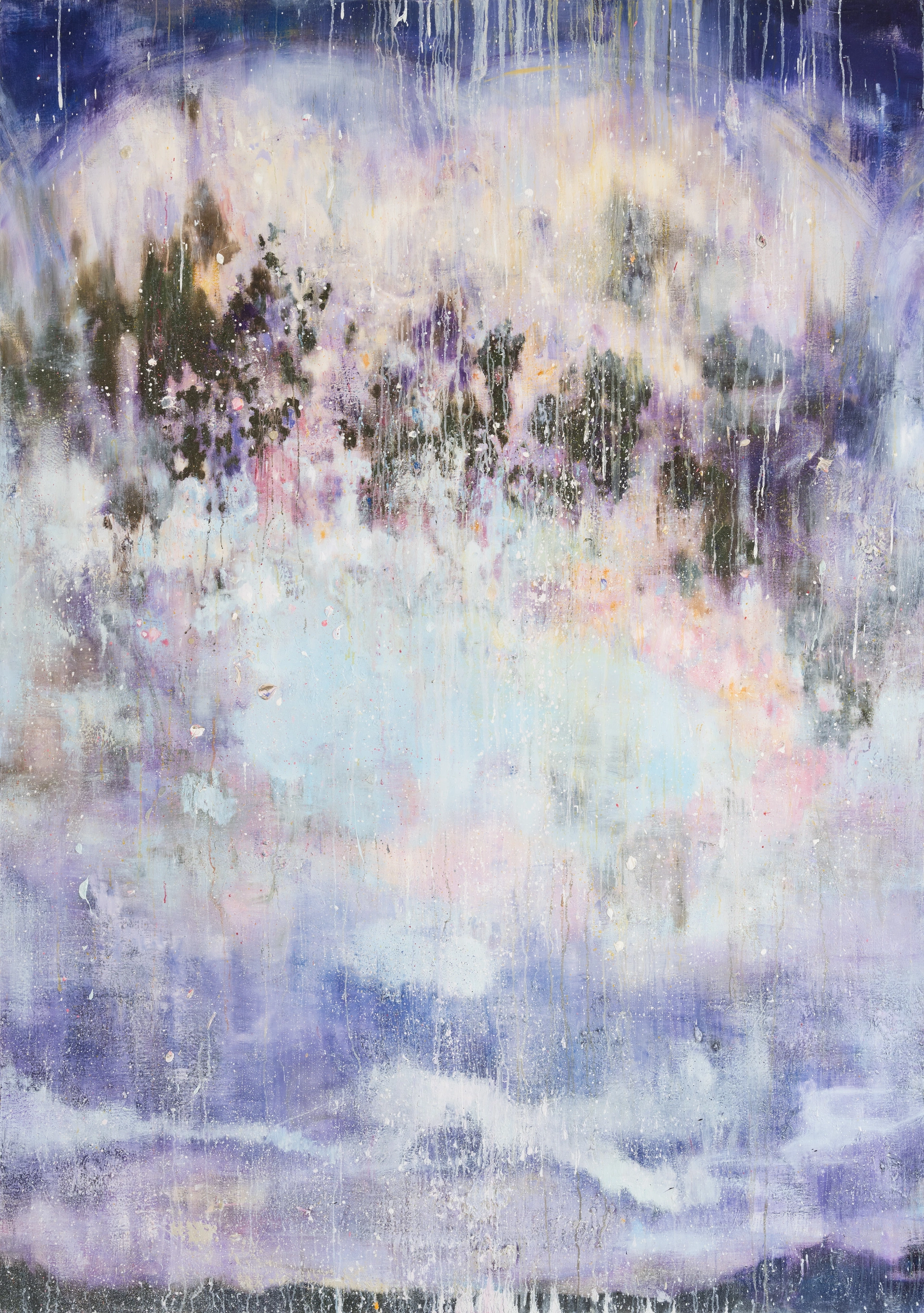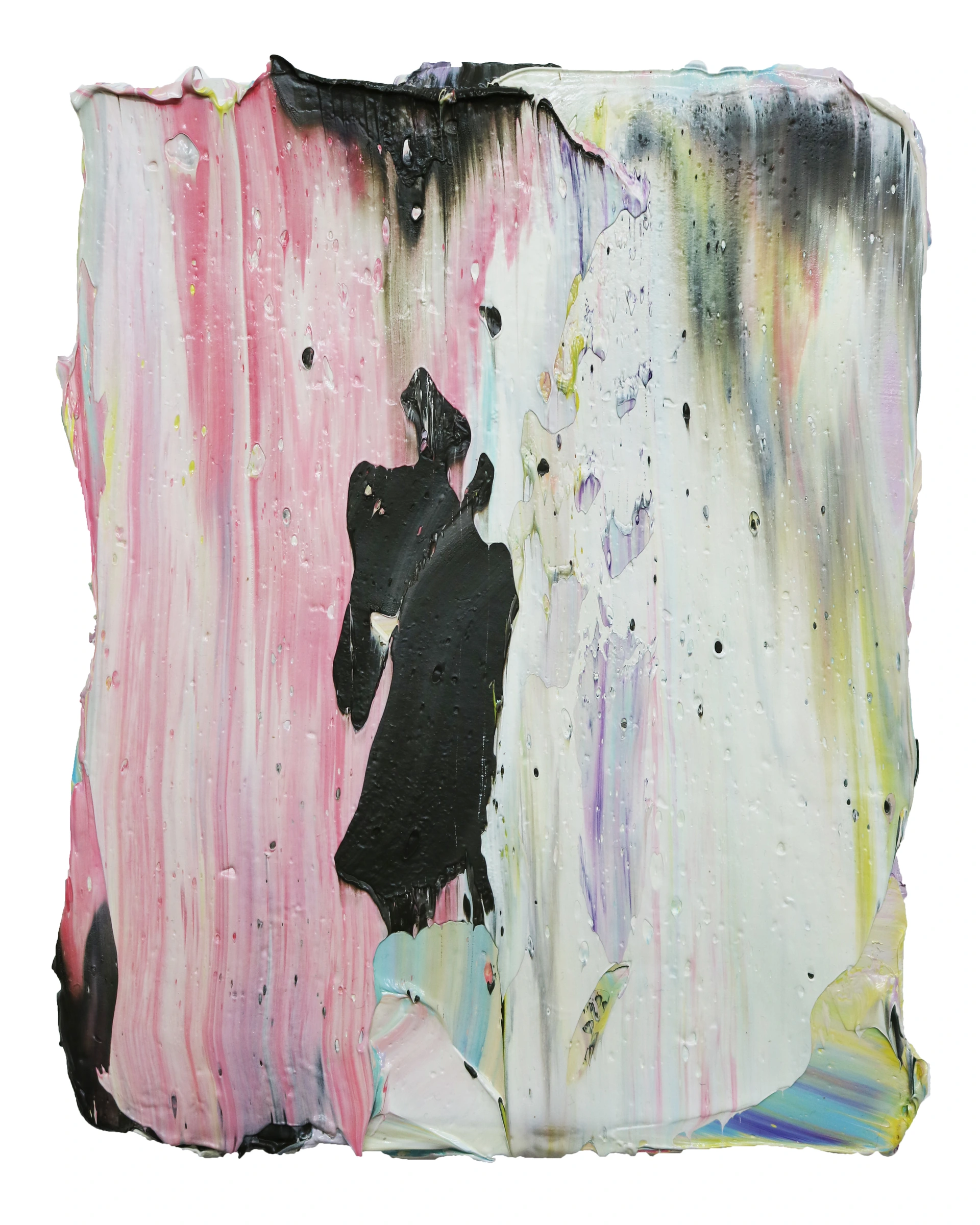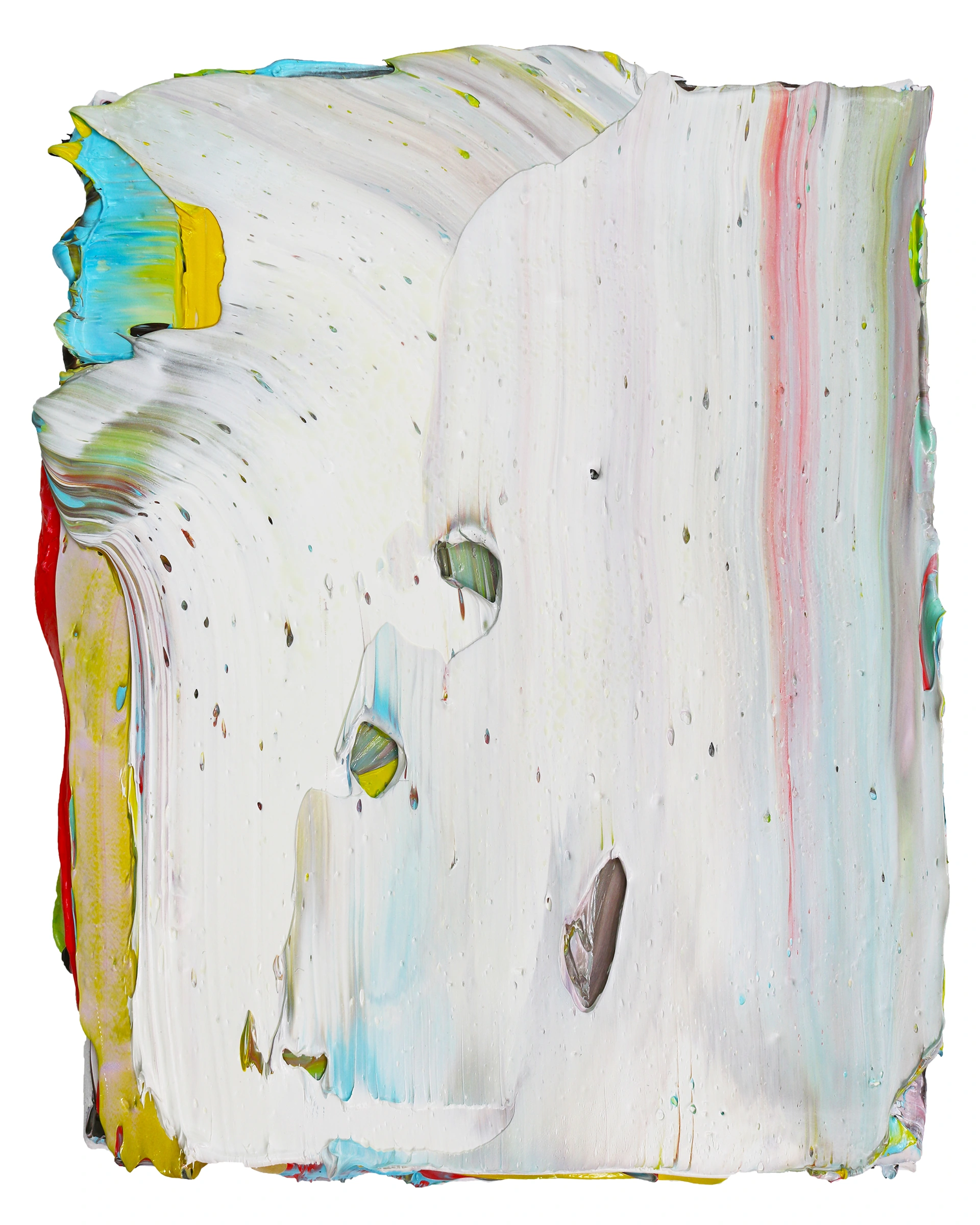
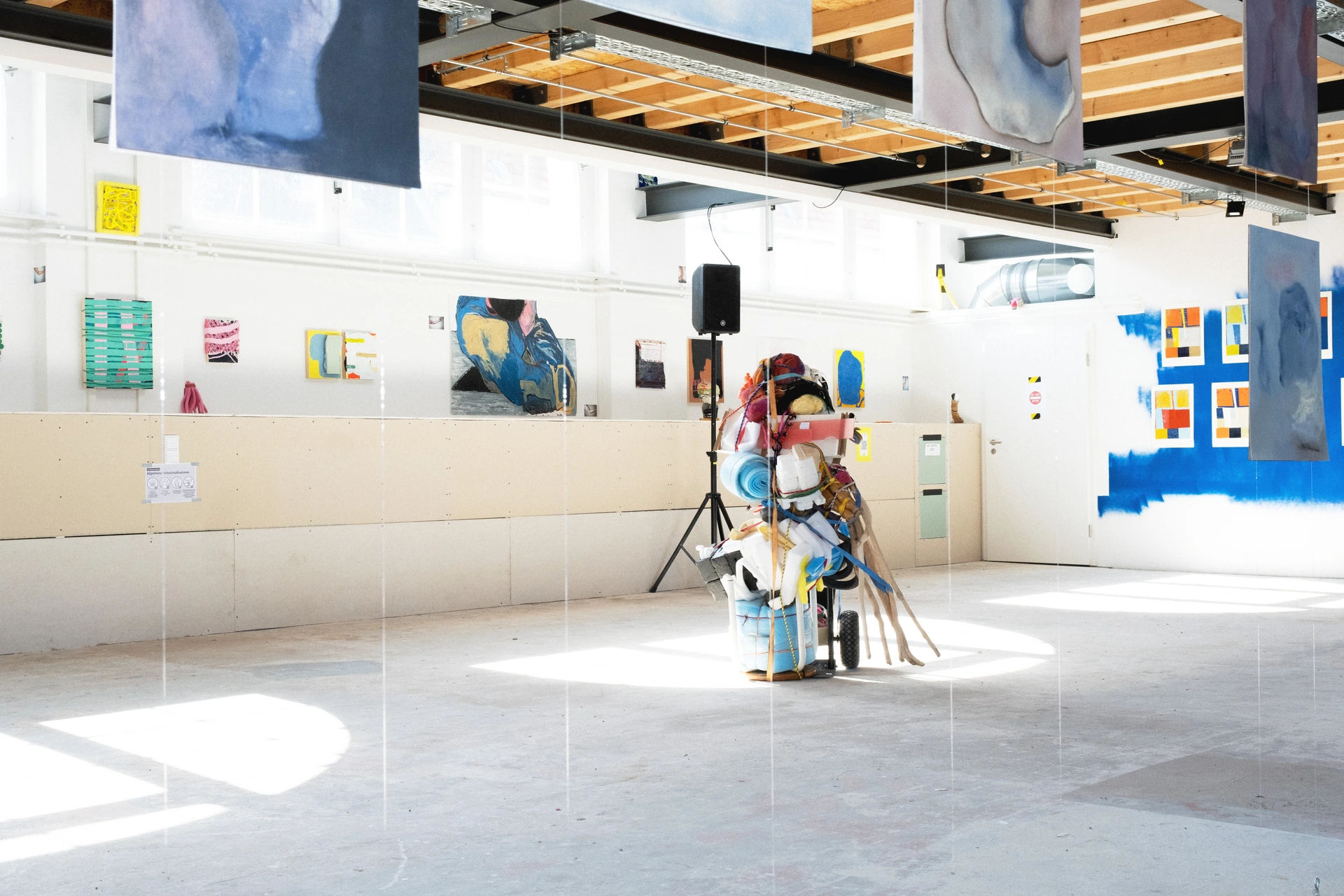
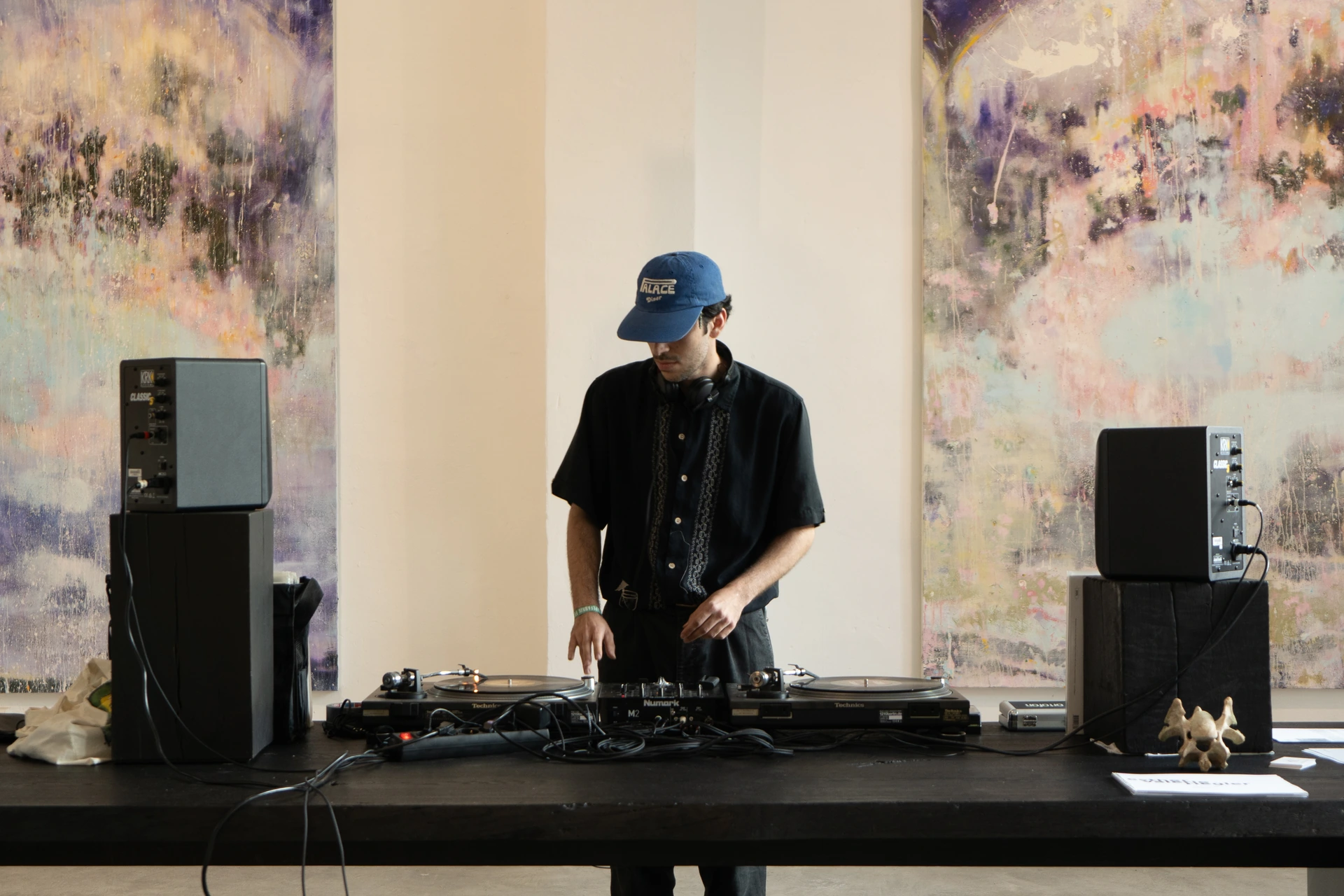
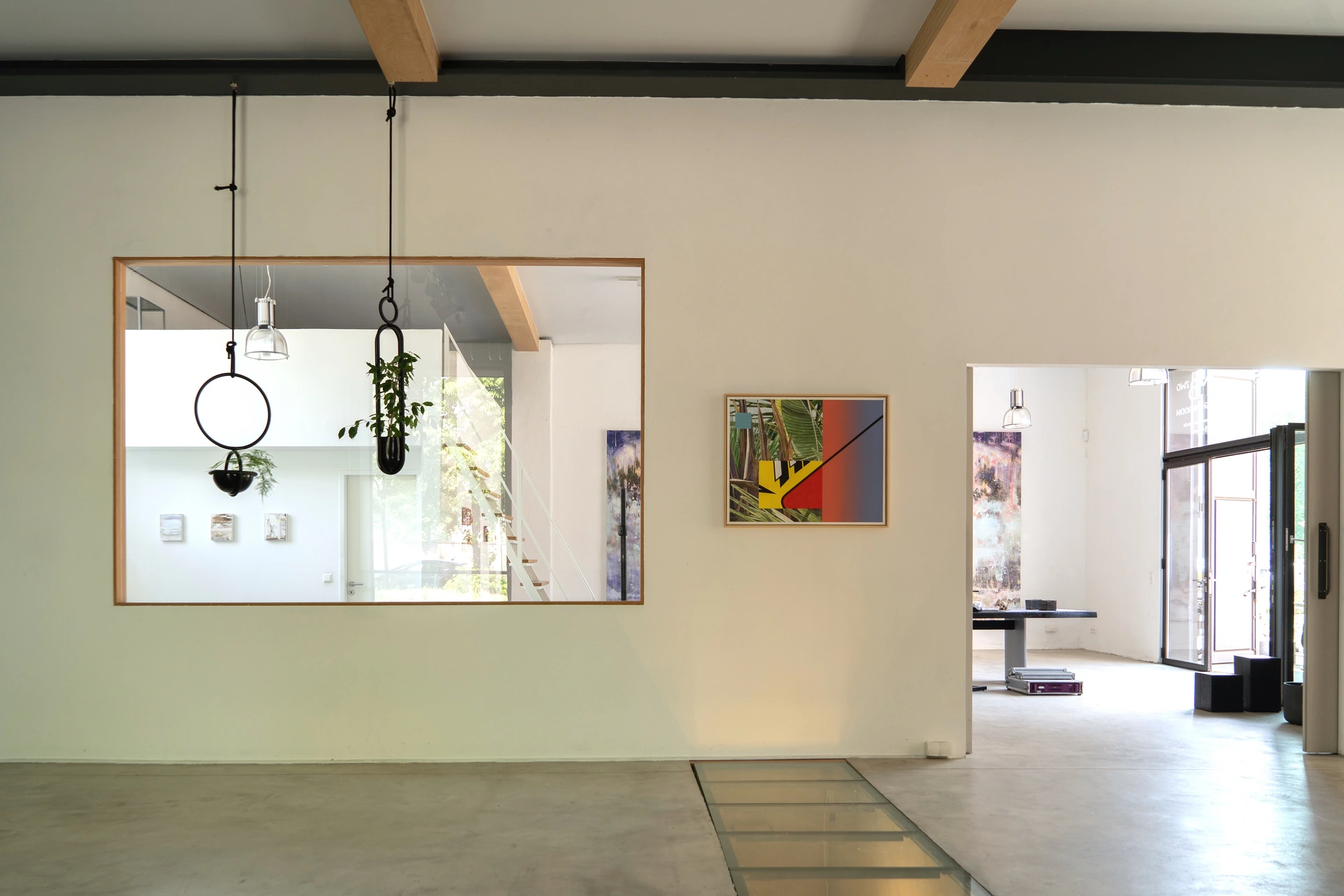
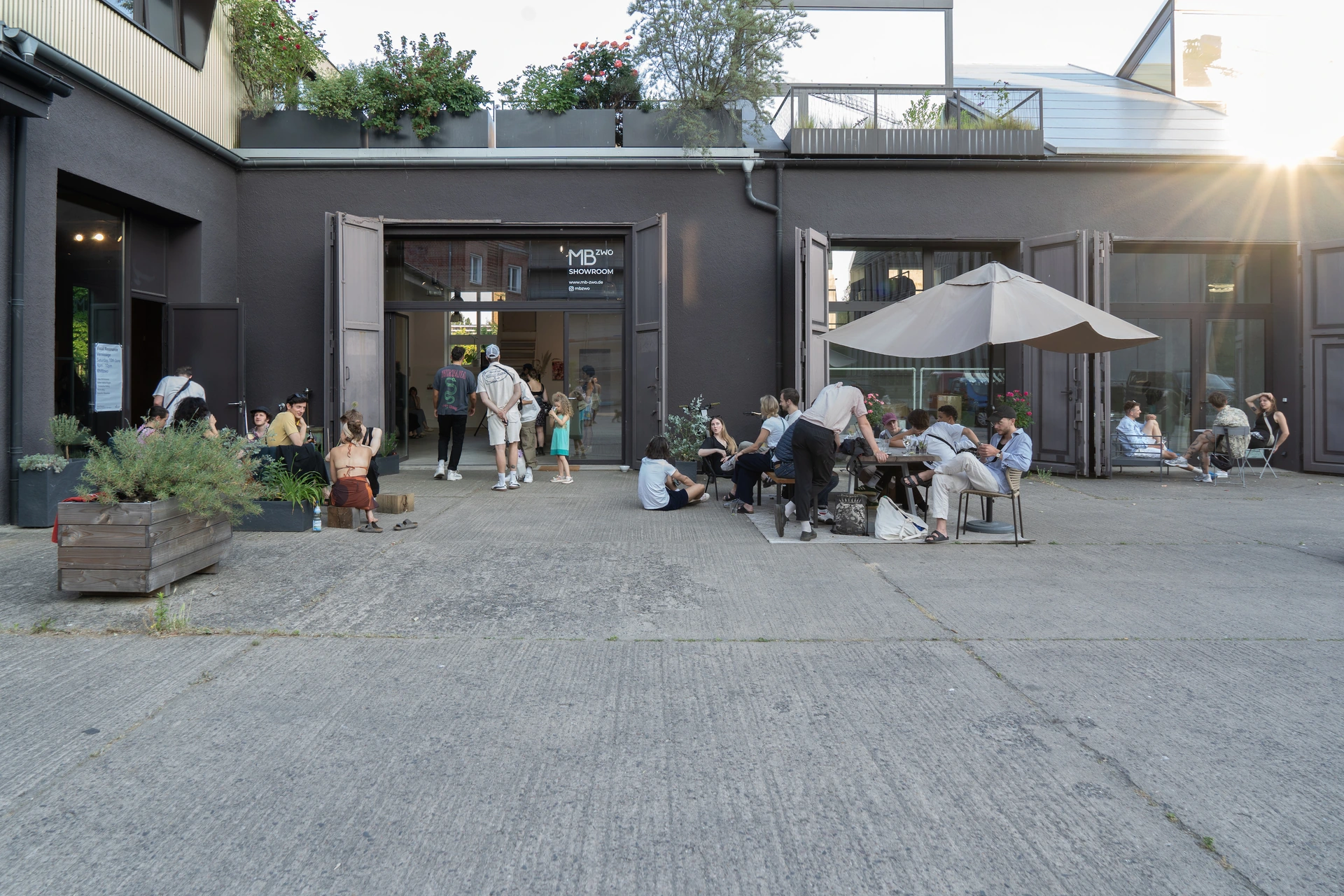
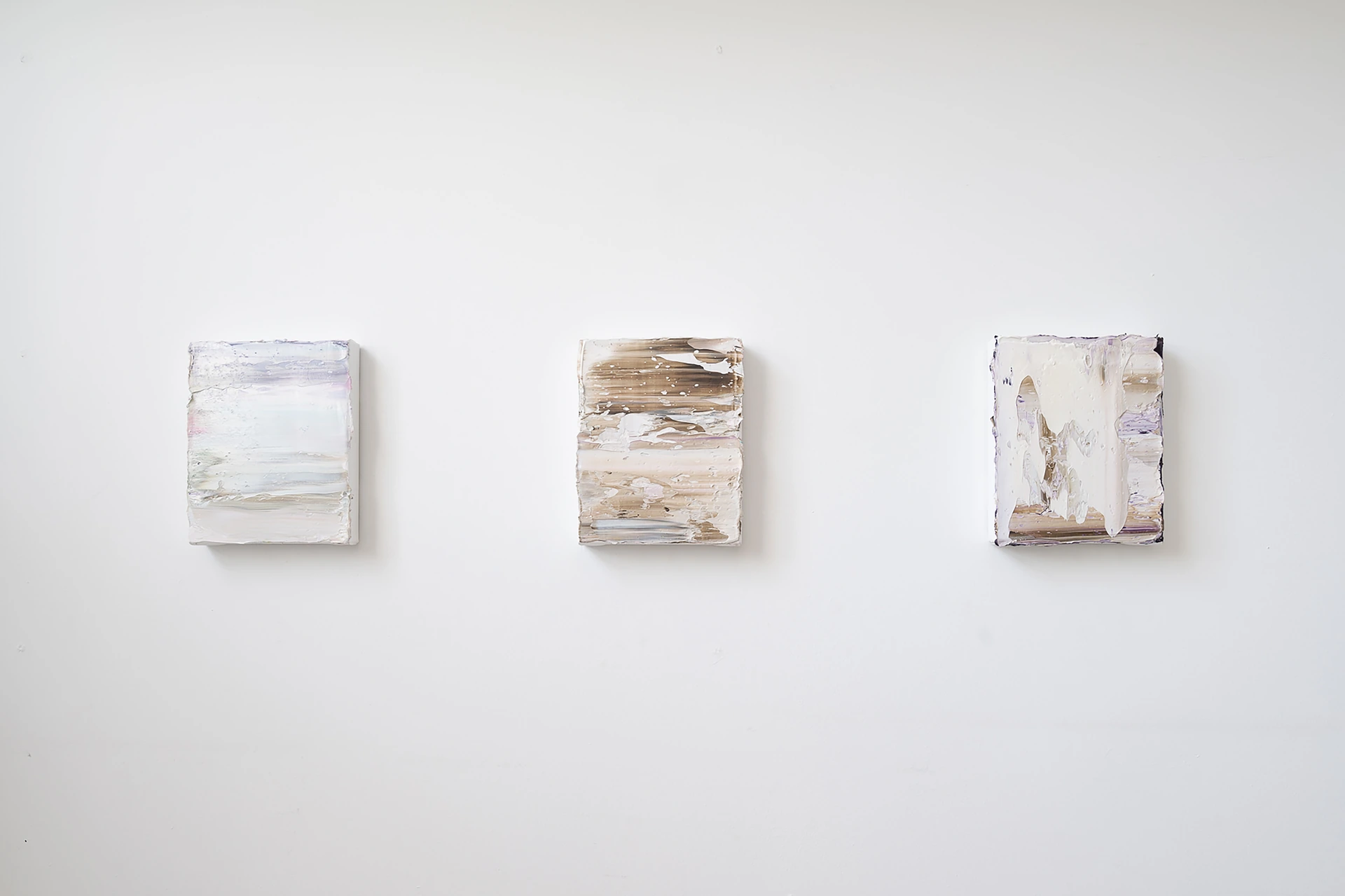


CULTURE ROOM is proud to present Visual Resonance, our latest exhibition project at the MBzwo showroom in Rummelsbucht, Berlin. With this presentation, we aim to create a space for the intuitive experience of contemporary visual art. In the context of the modern art market, academic discourse, and rigid frameworks of art history, viewing art can often feel inaccessible. What is frequently overlooked is that art does not require intellectual comprehension or the decoding of a singular meaning. Instead, it offers an opportunity for personal engagement, contemplation, and emotional resonance. Visual Resonance encourages viewers to move beyond considerations of historical reference, societal commentary, or technical method, and instead to respond to the visual impulses and subtle energies of the works themselves. This approach resonates with the philosophies of Mark Rothko, who compared painting to music: an art form capable of moving us deeply without full understanding, and Wassily Kandinsky, who in The Art of Spiritual Harmony described art as a path toward spiritual discovery rather than mere representation. For Kandinsky, music exemplifies the capacity of non-visual forms to express inner experience, inspiring visual artists to pursue abstraction as a means of communicating the complexity of the inner world. The artists featured in Visual Resonance explore these ideas in distinct and complementary ways.
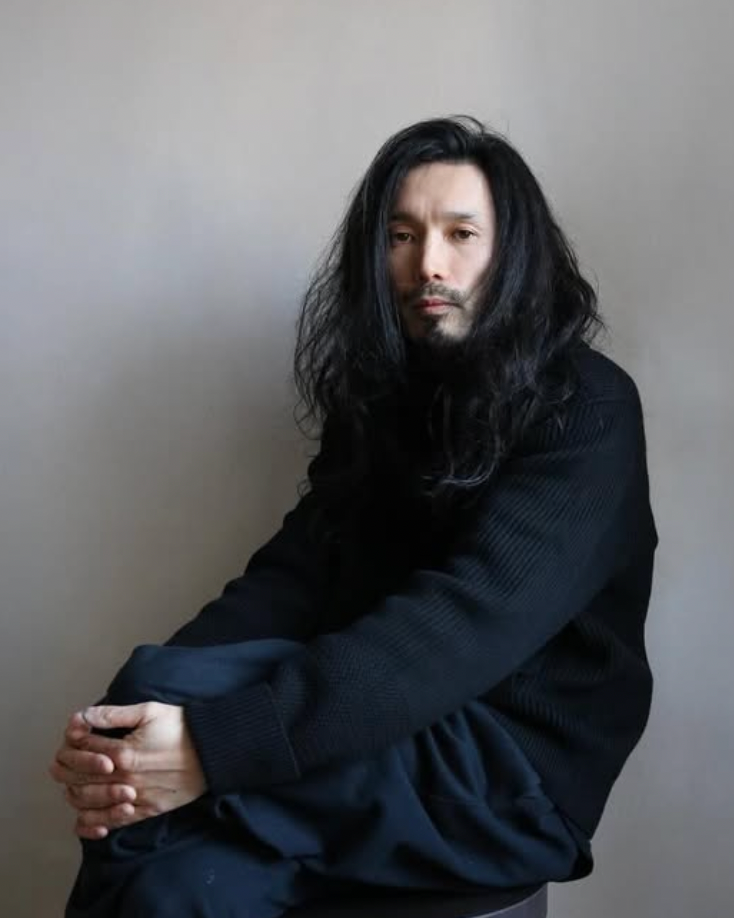
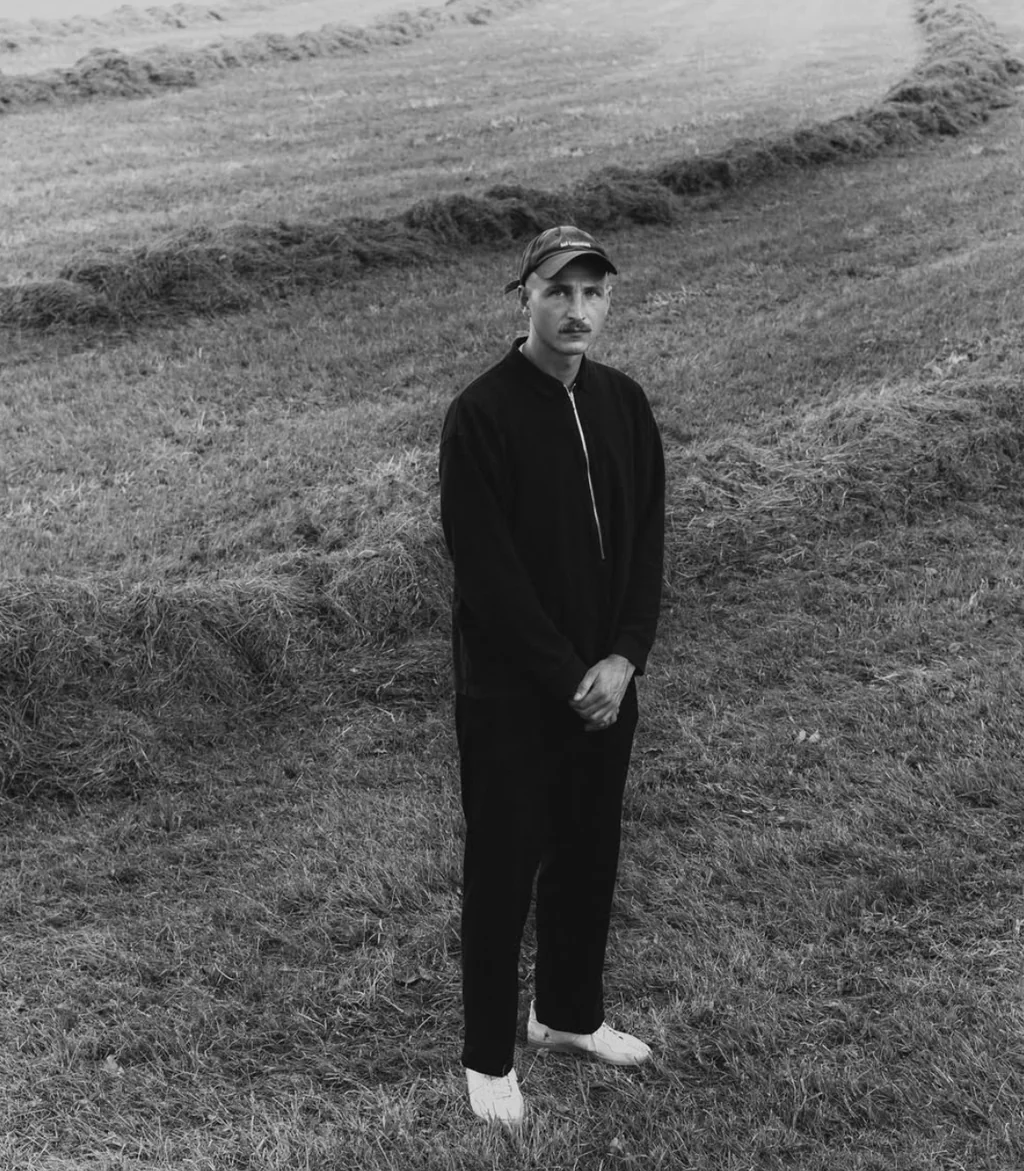
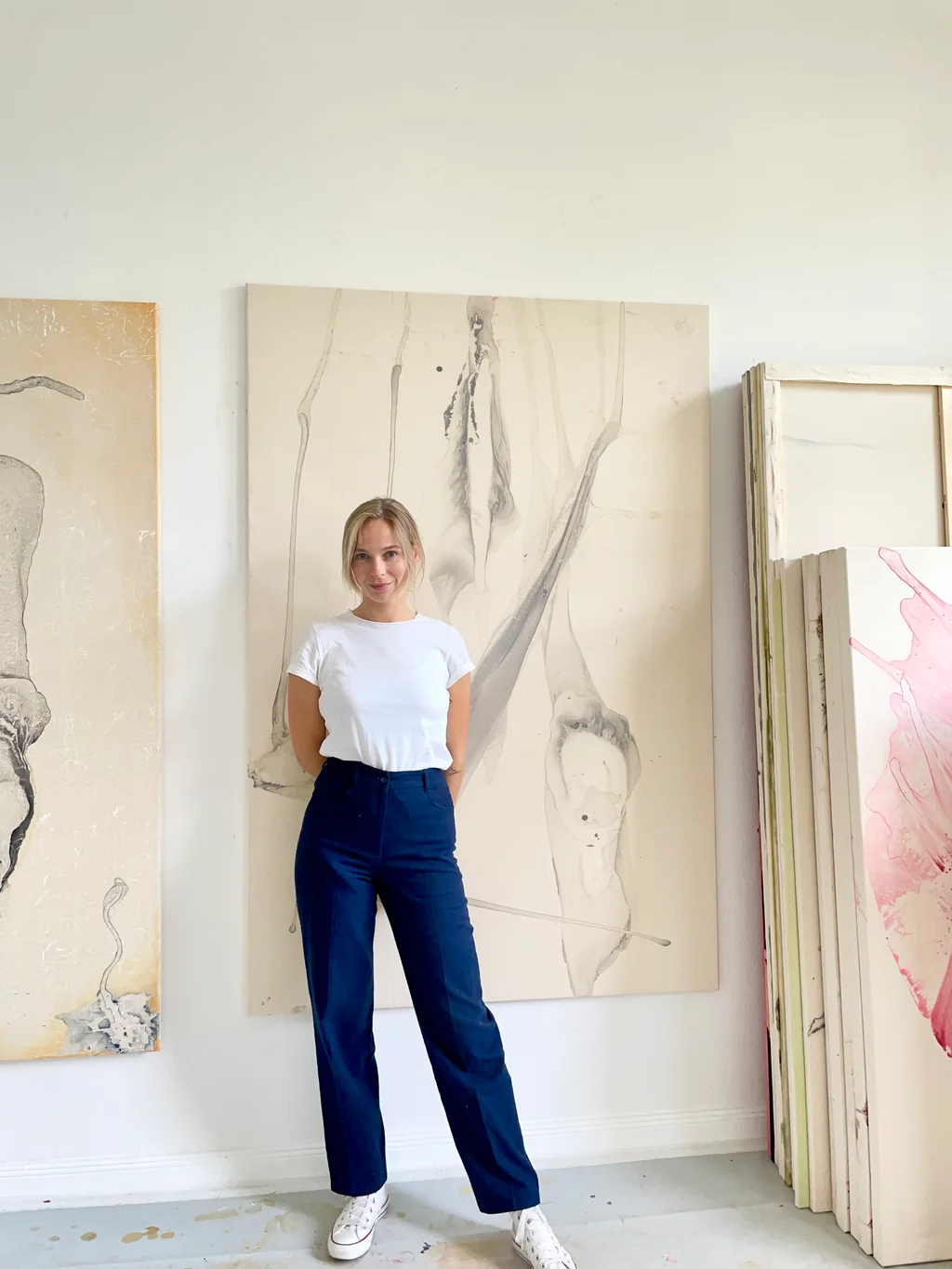
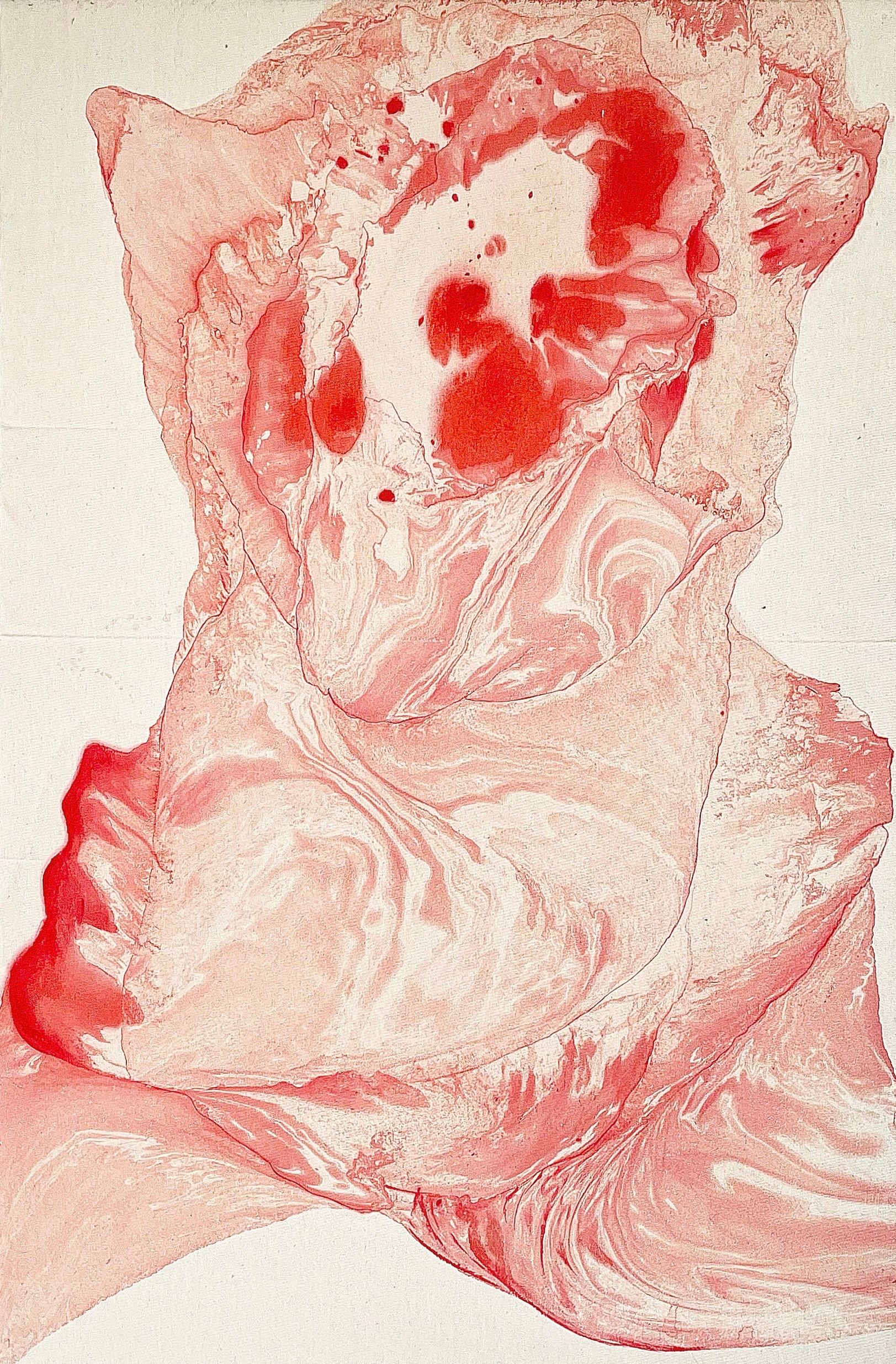
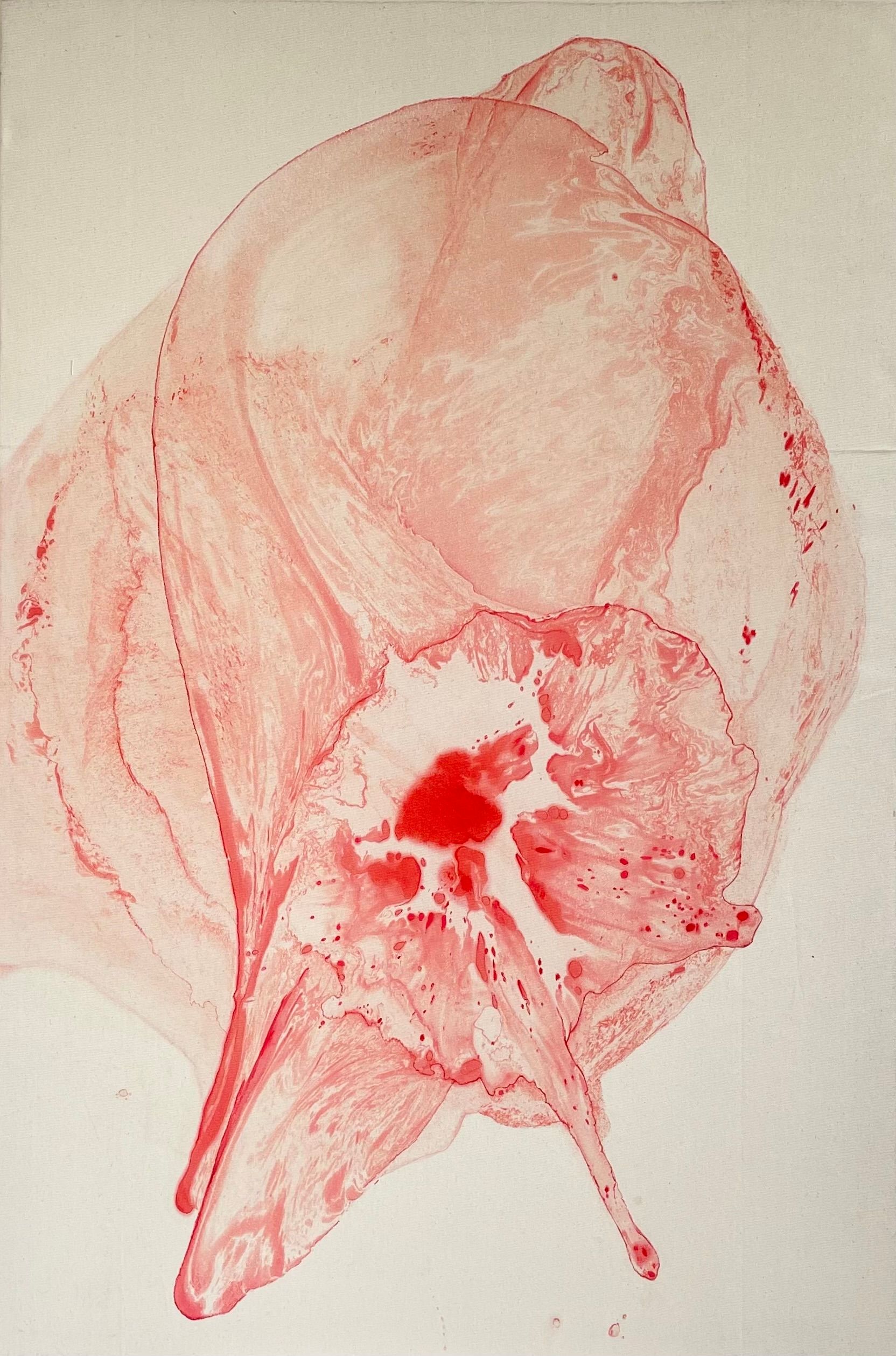
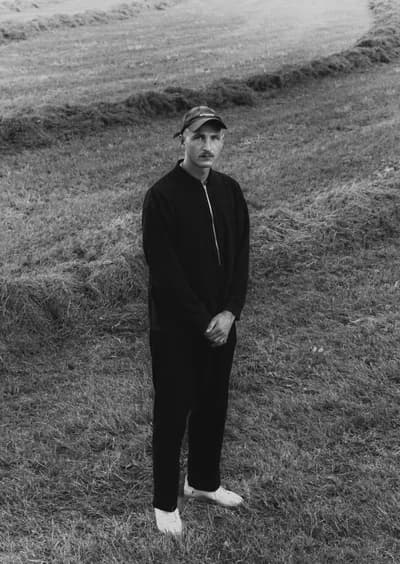
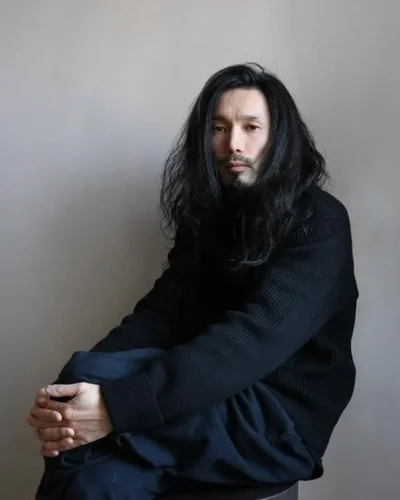
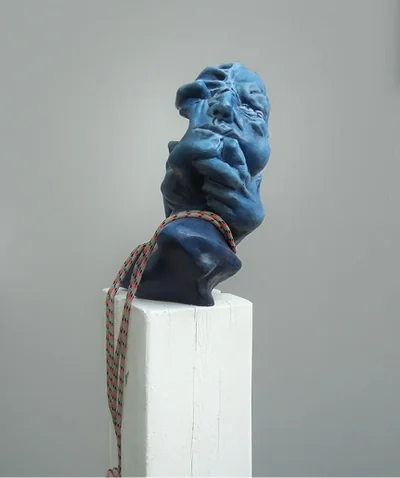
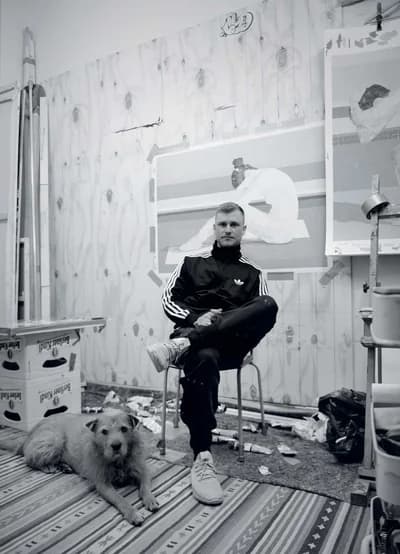
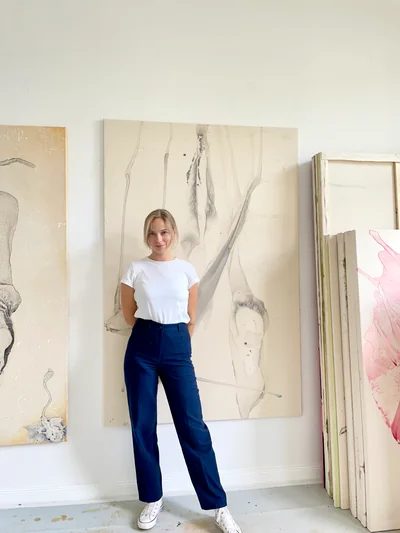
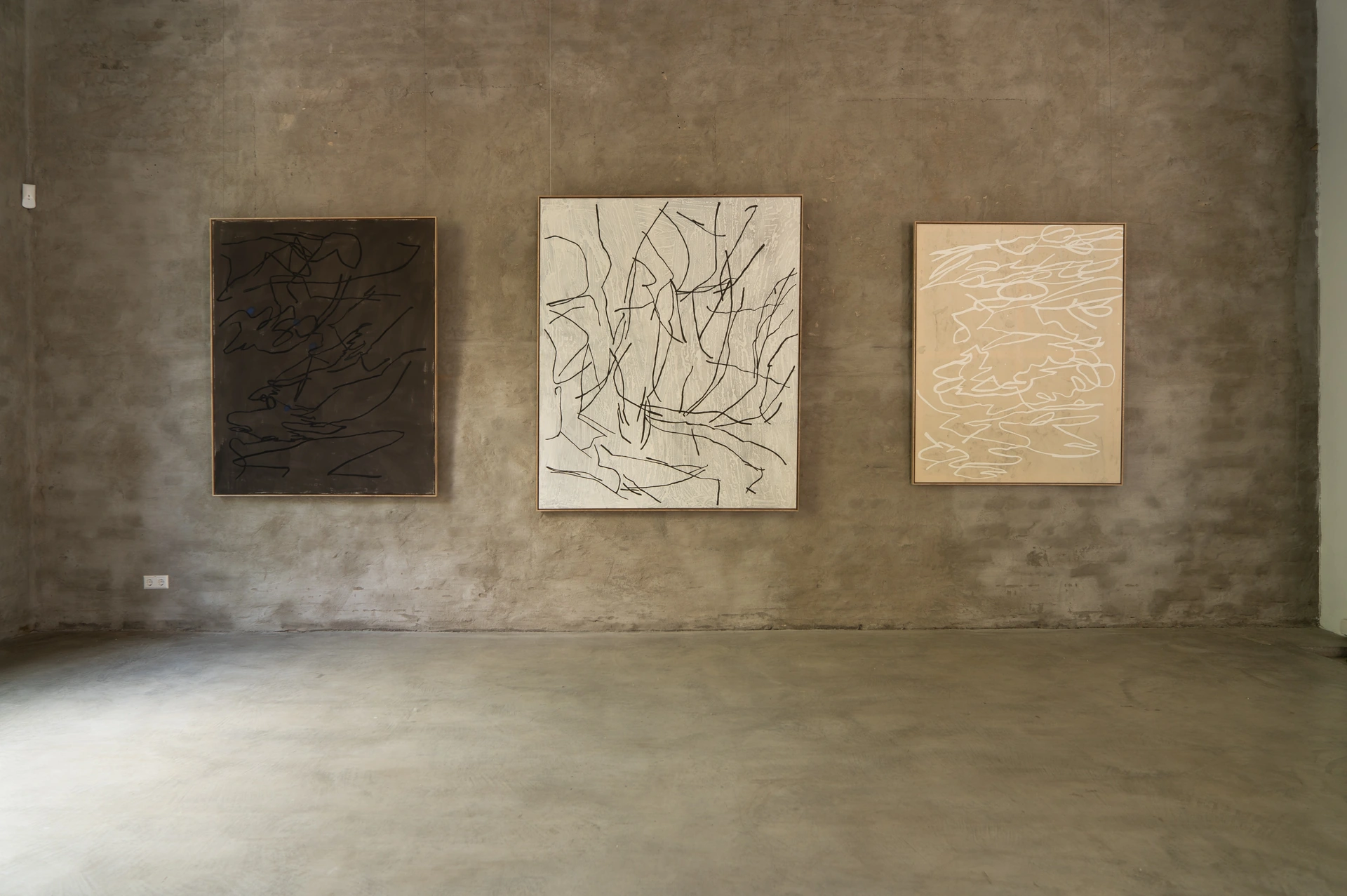
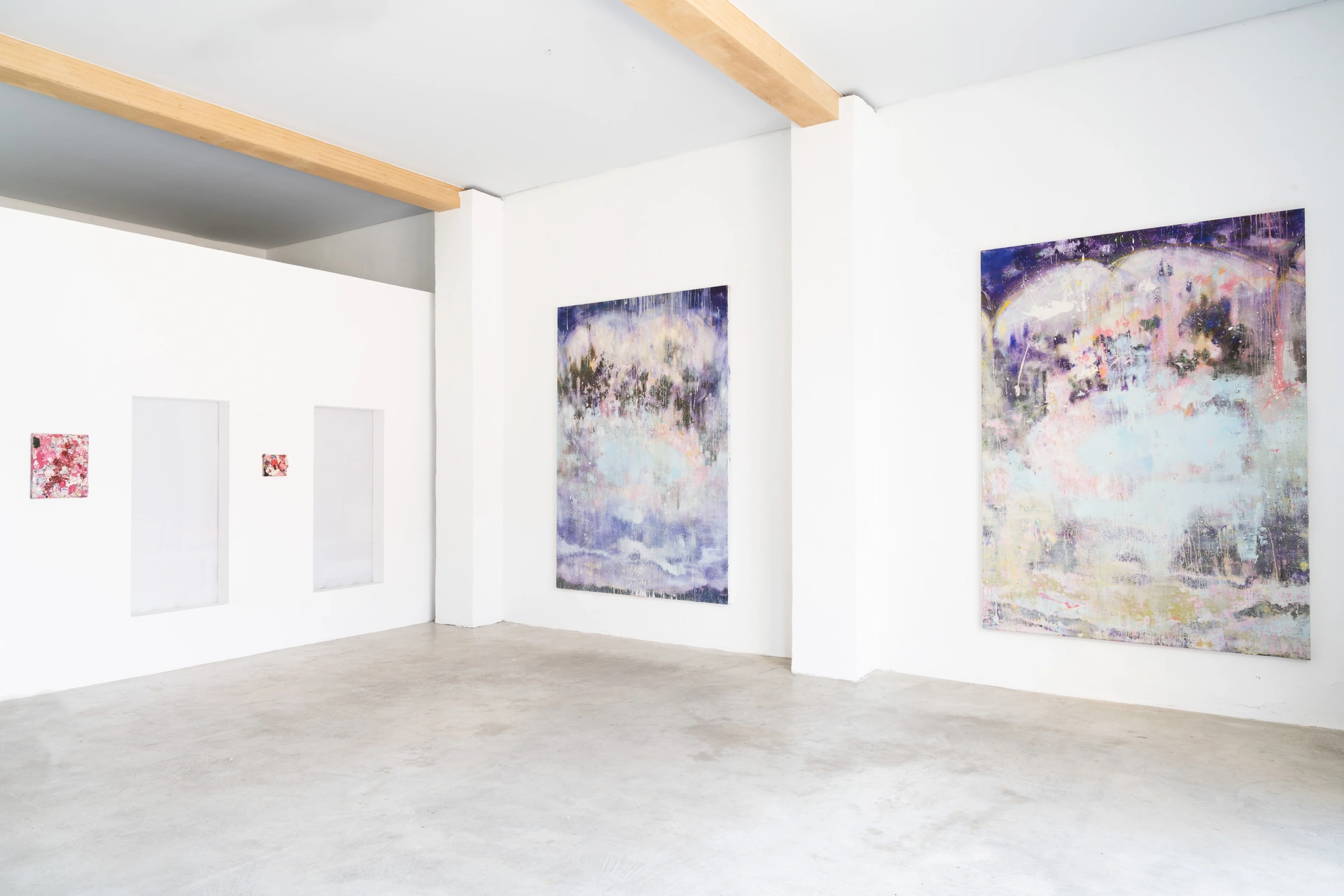
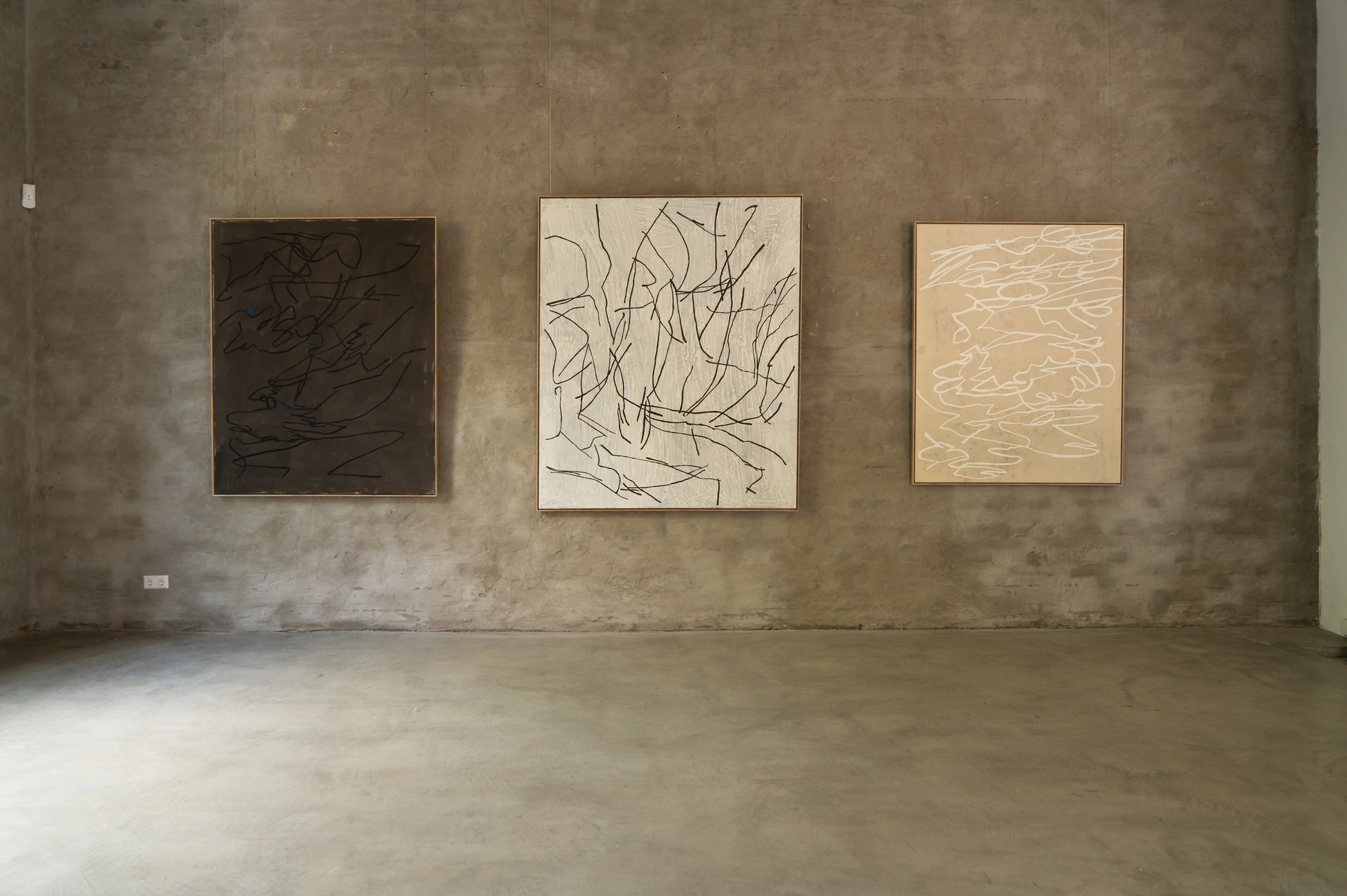
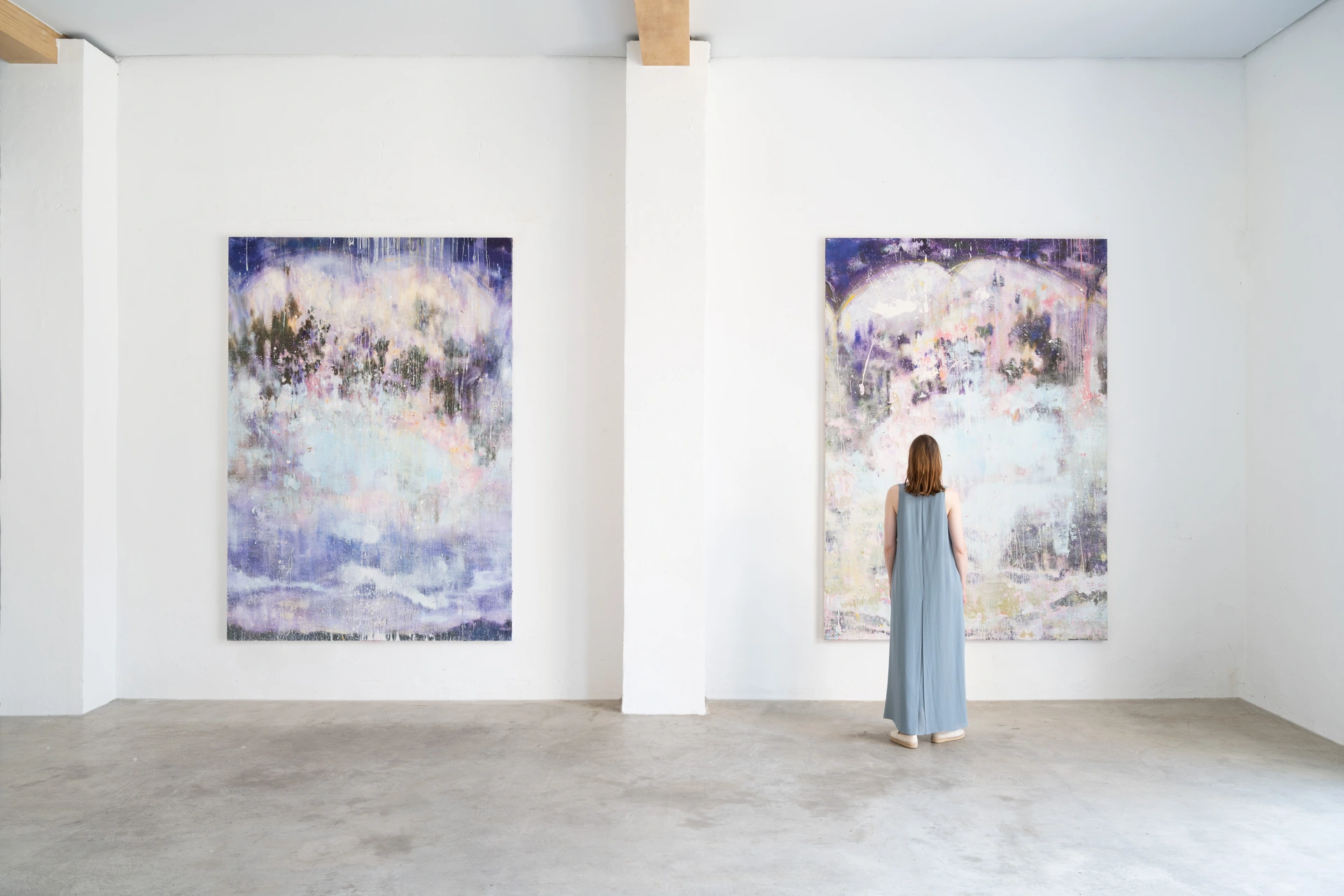
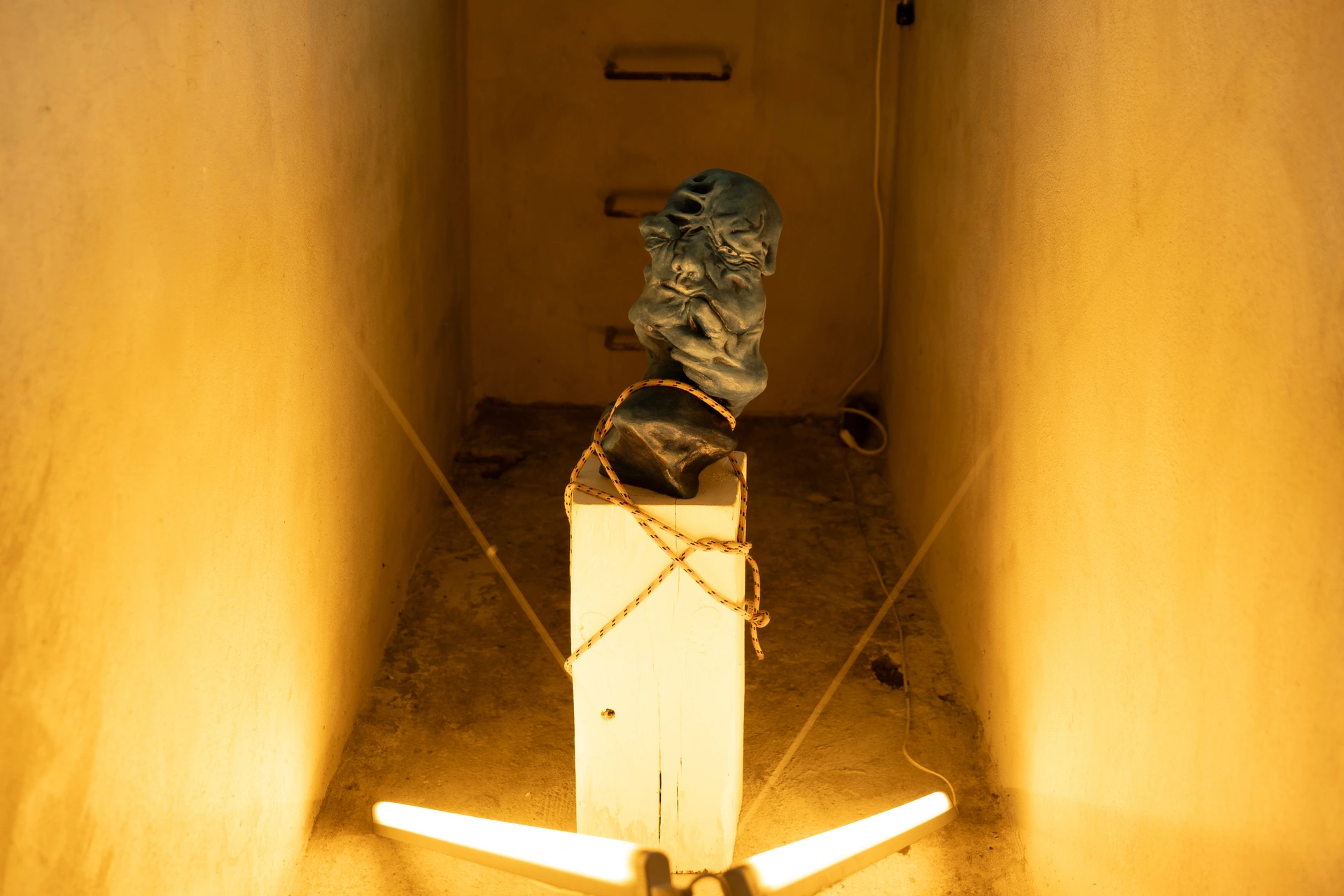
Katsuhiko Matsubara presents vibrant “inner landscapes” or “fictional ecosystems on canvas,” which function as spiritual microcosms oscillating between the material and immaterial. Informed by the philosophical concept of animism, deeply rooted in Japanese culture, Matsubara’s paintings cultivate a living presence within the space, evolving in the viewer’s perception as a continuous dialogue between matter and spirit. He treats his works as living entities—more like nurturing a garden than painting an image—allowing each piece to reveal its own voice. Moritz Berg investigates the aesthetic impressions of nature-informed environments, translating these encounters into abstract formations. Through mindful observation, Berg bypasses socio-cultural filters to perceive surroundings in a state of heightened receptivity. His compositions articulate the subtle interplay between the external environment and the inner mind, offering viewers an unmediated experience of aesthetic sensation. Christopher Kieling examines the construction of reality, emphasizing overlooked aesthetic qualities in our daily environment. His meticulously staged compositions blend hyperrealistic detail with abstract potential, prompting viewers to actively engage and complete the narrative. By revealing partial references or fragmented motifs, Kieling’s works create a space for reflection, where the viewer’s consciousness coexists with the depicted scene. reality. Inspired by synesthetic perception, her works translate the colors, sensations, and emotional resonances of lived experience into visual forms, inviting the viewer to perceive connections beyond conventional representation. Esther Valerie Riegler works sculpturally to give physical form to complex emotional and environmental states. Through the careful shaping of diverse materials—stone, earth, wood, metal, and snow—Riegler transforms inner sensations into tangible yet ambiguous forms. Her works operate on a sensory level that transcends cognition, encouraging viewers to experience rather than define. Together, these works foster a contemplative environment in which abstract, sensory, and emotional experiences converge. Echoing Kandinsky: “Lend your ears to music, open your eyes to painting and … stop thinking!