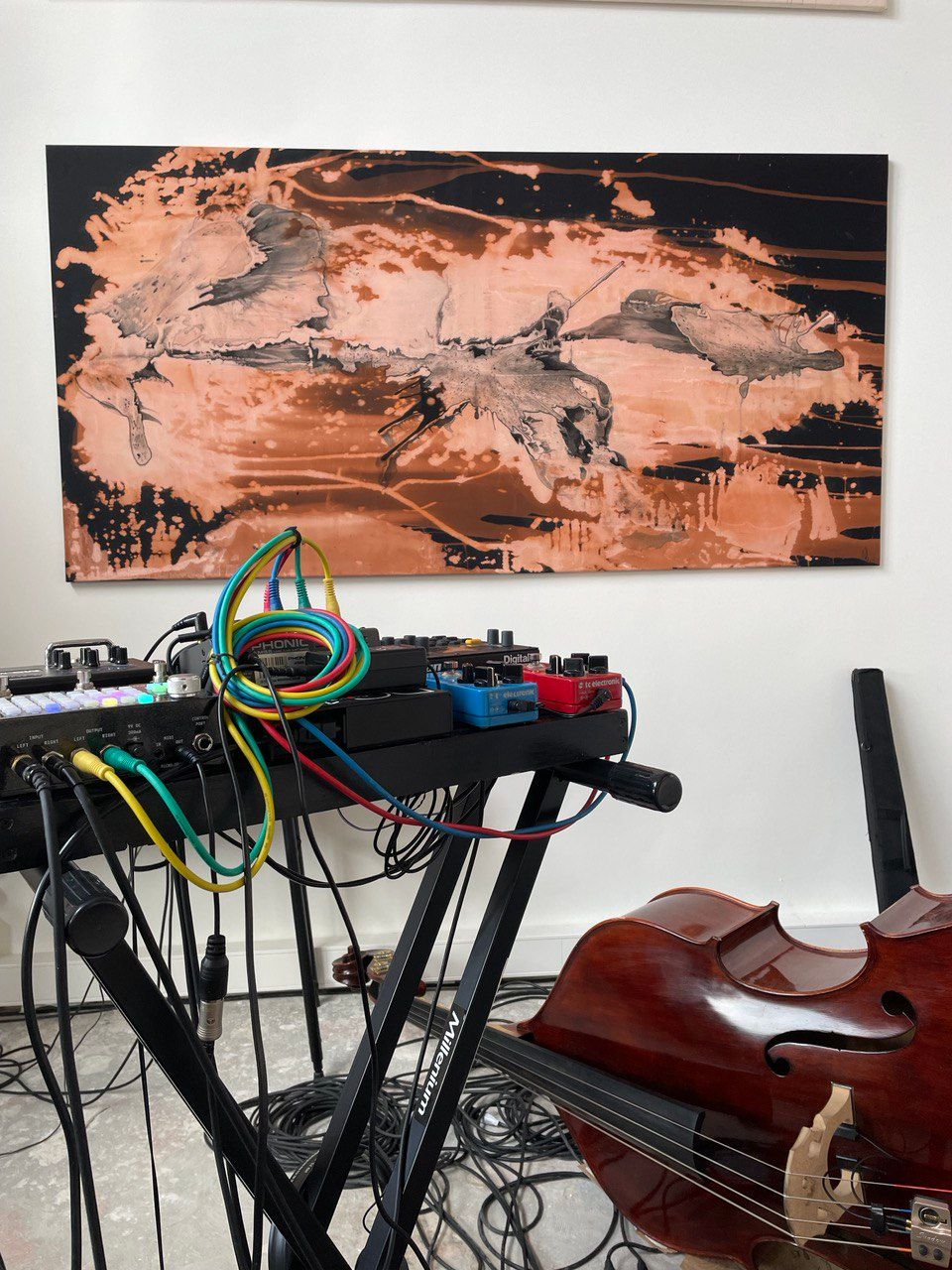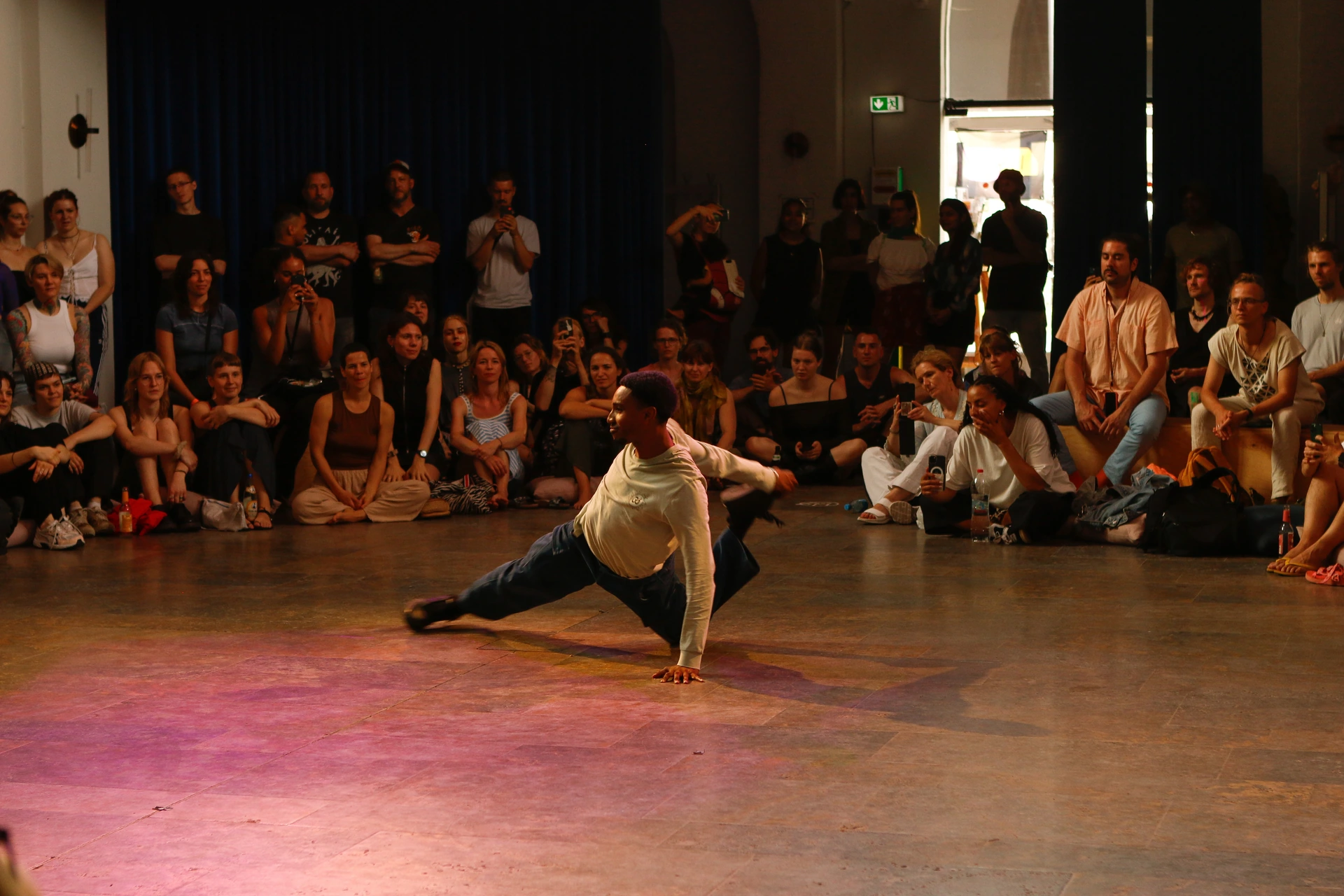
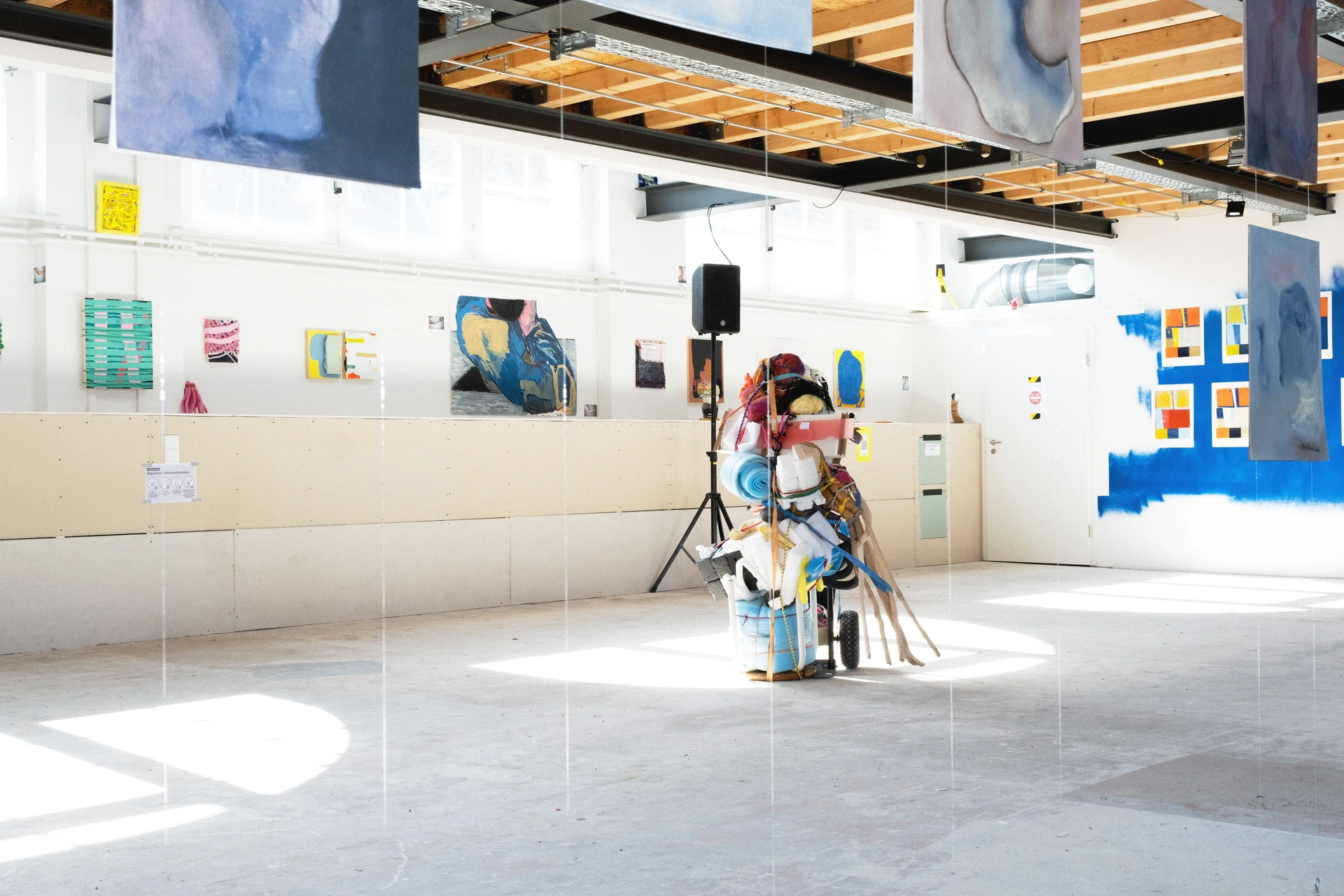
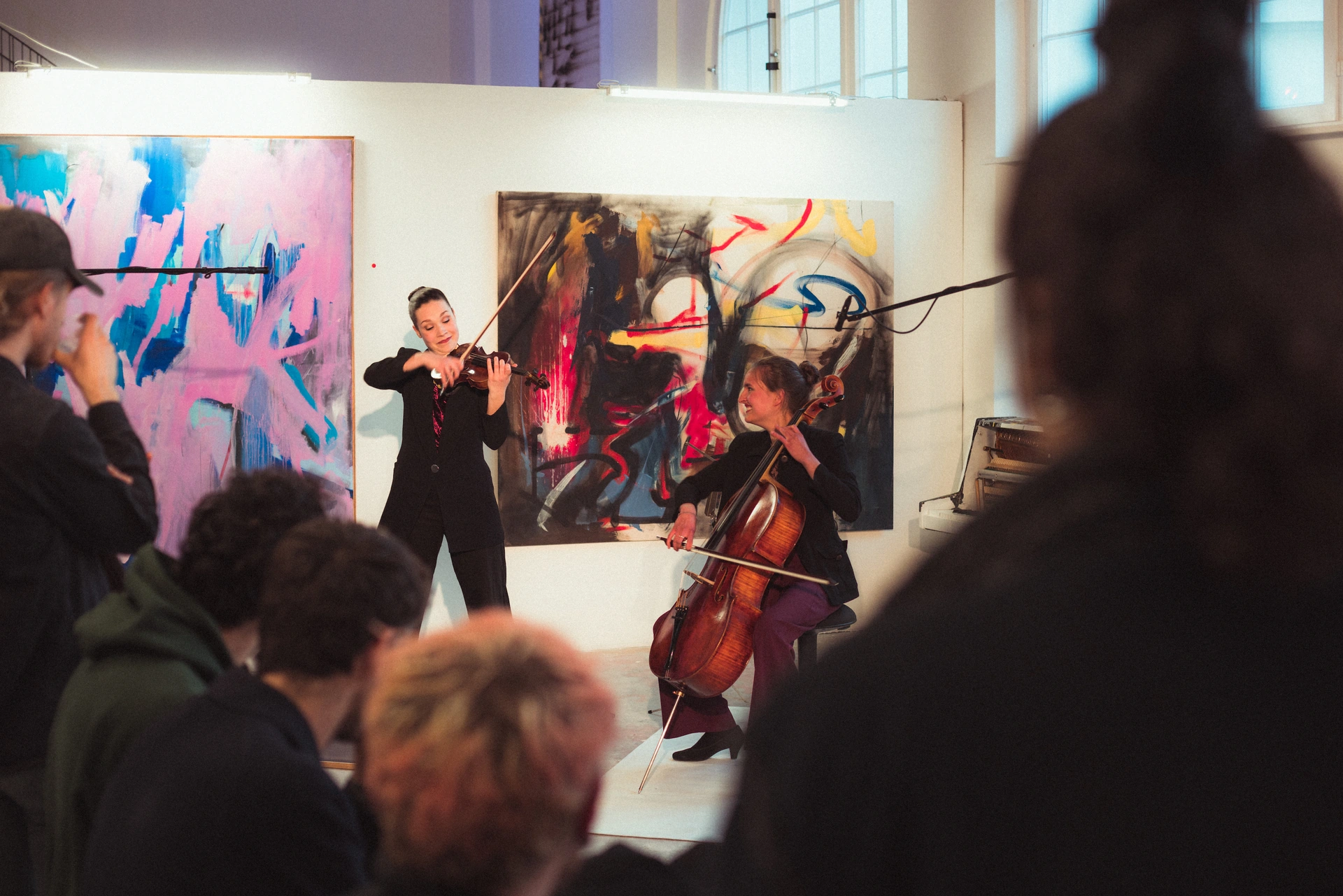
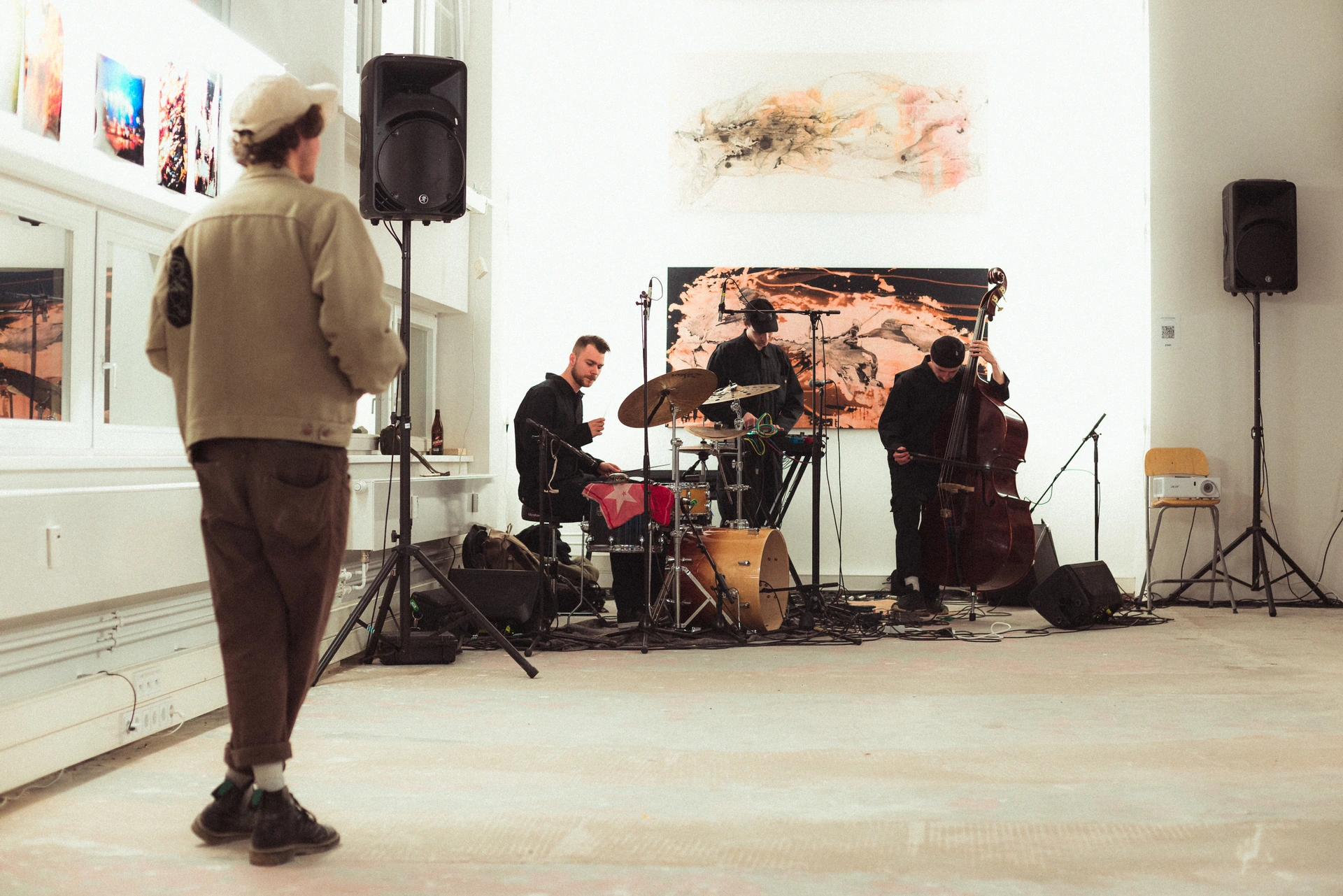
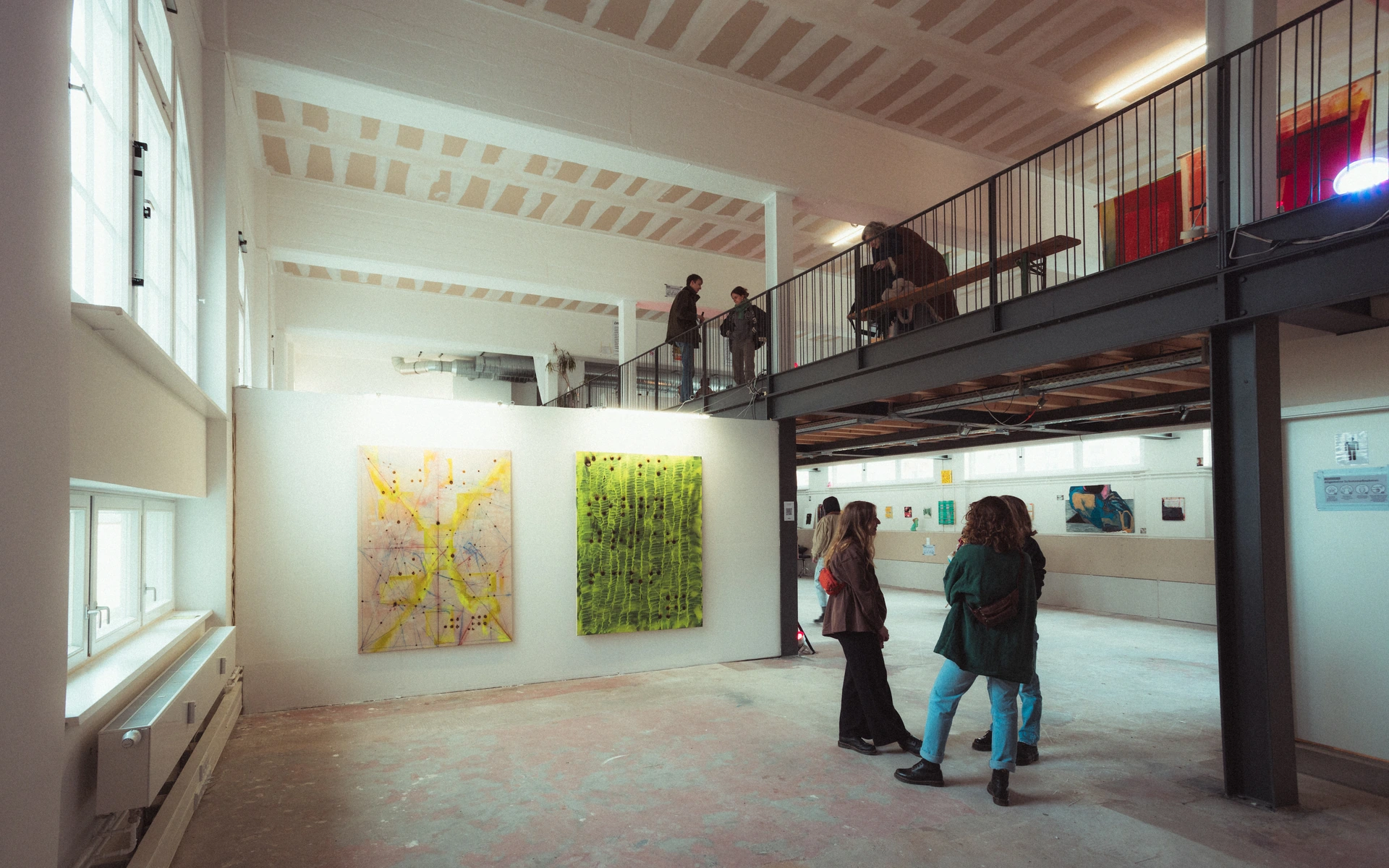
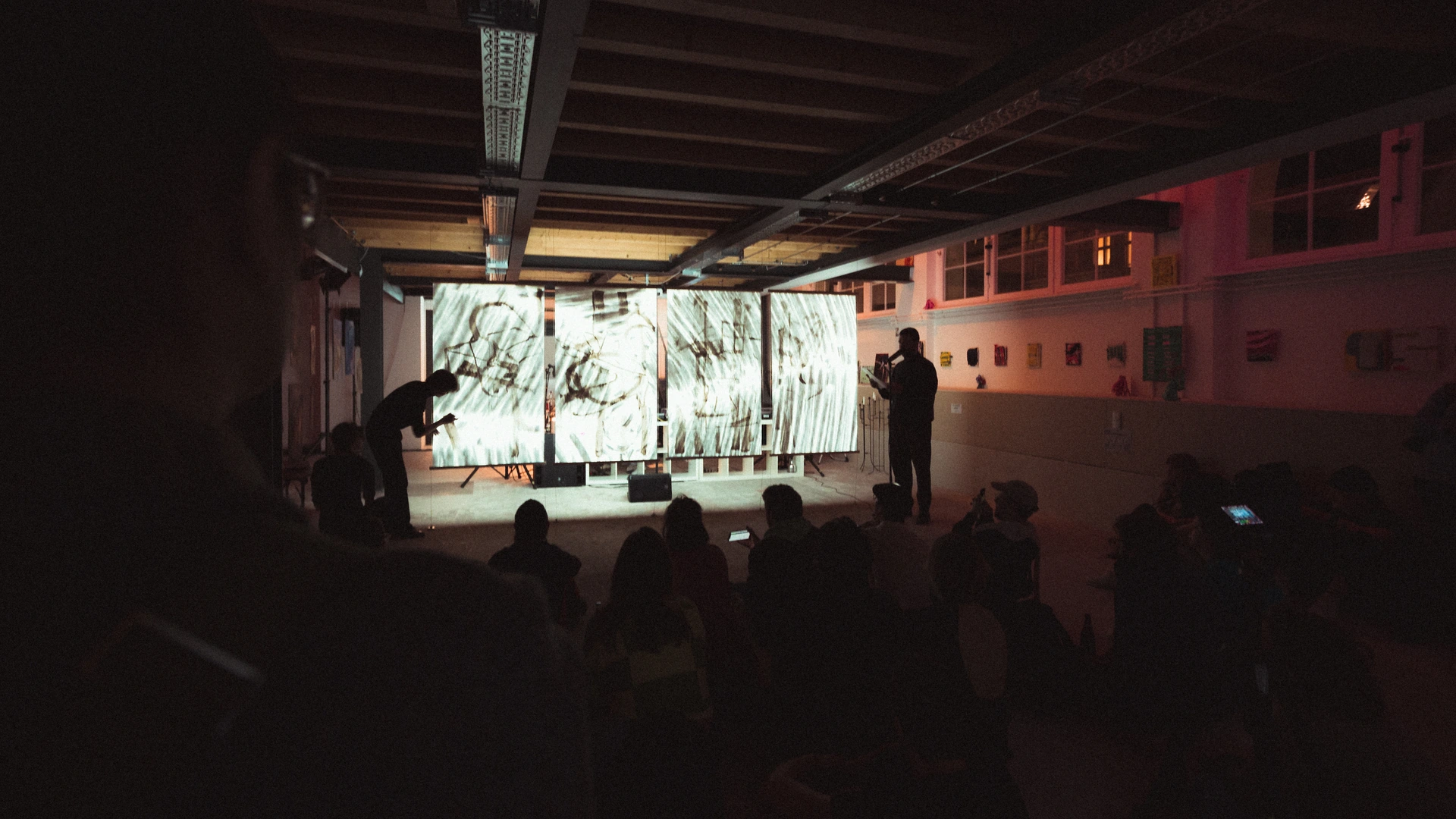
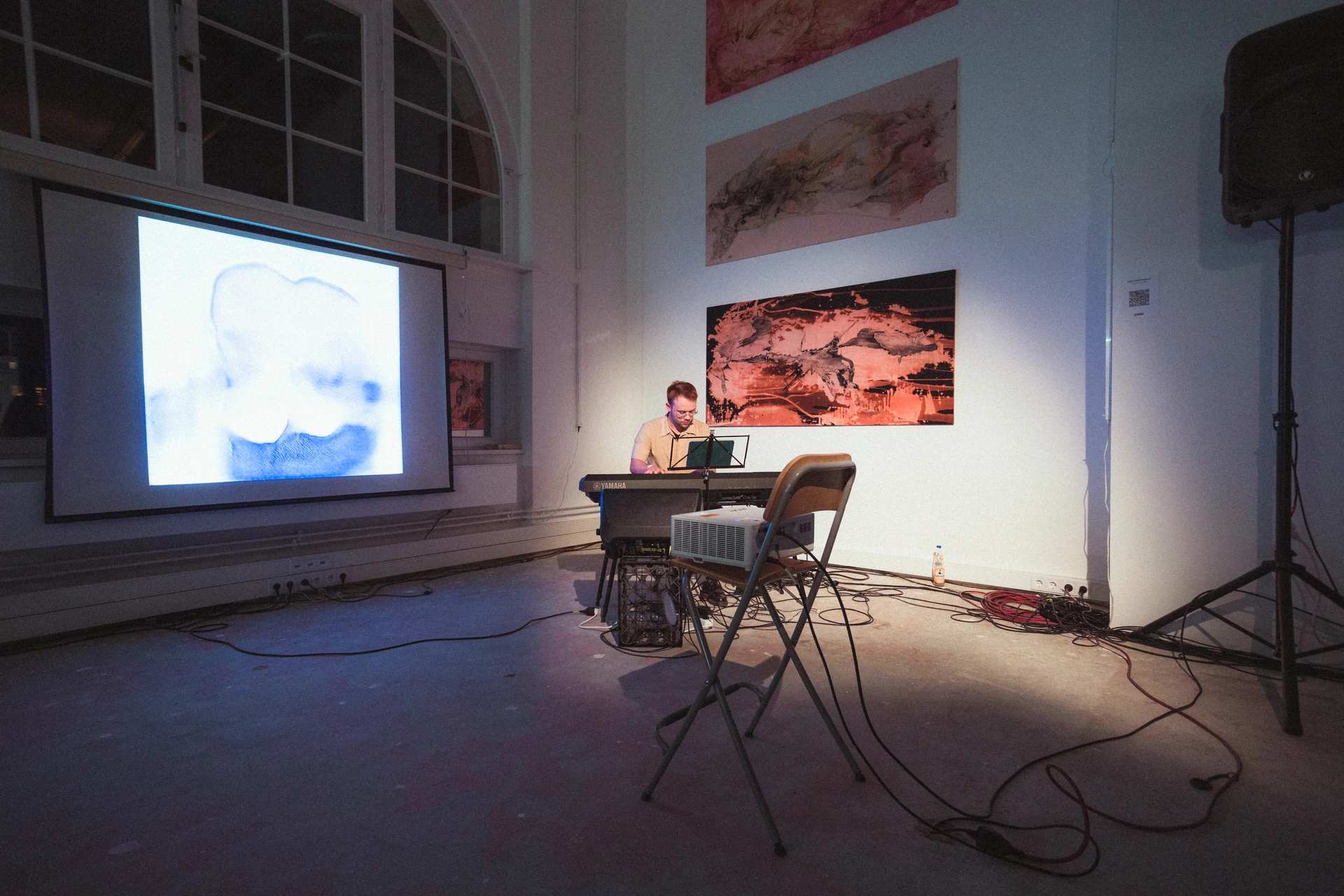
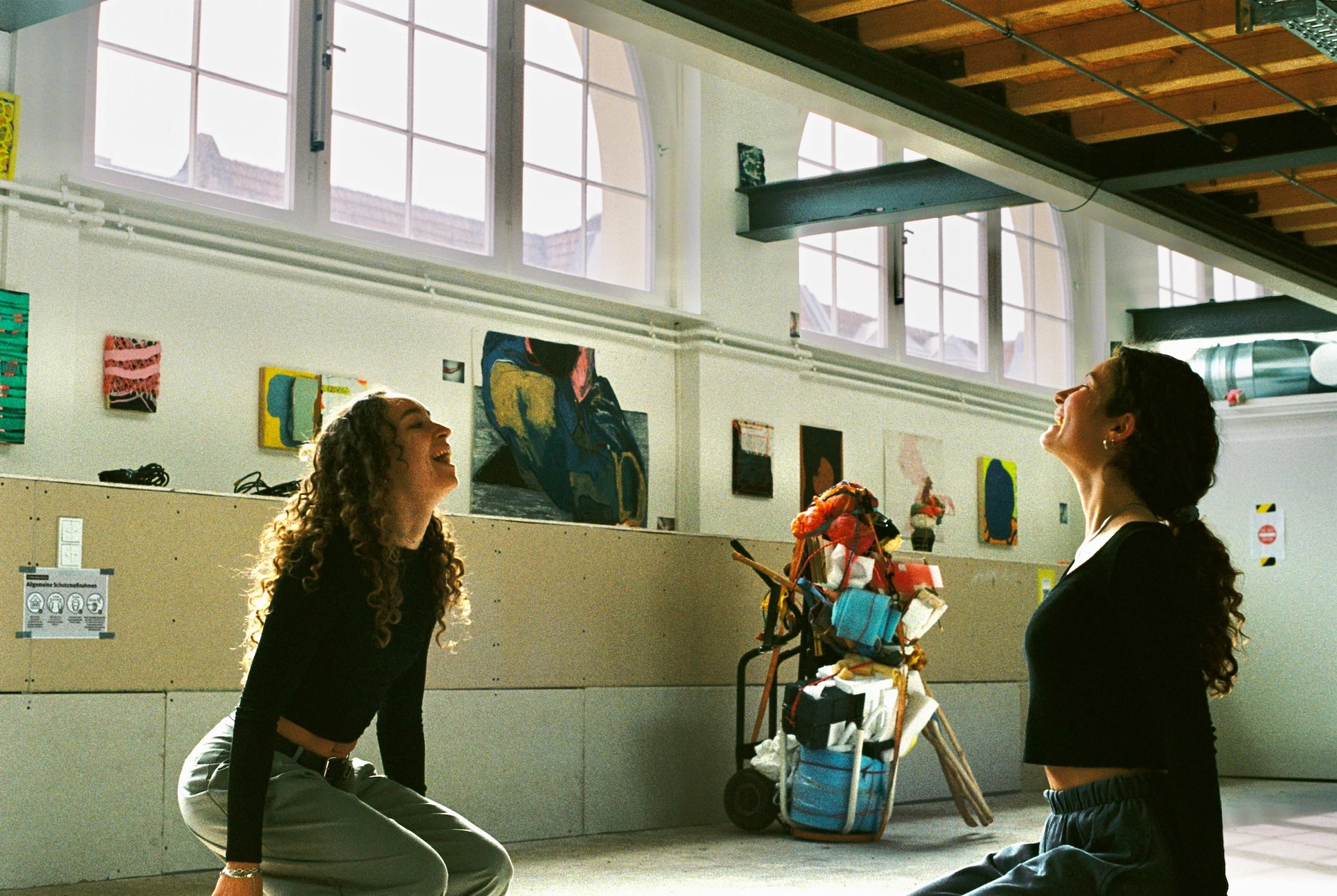
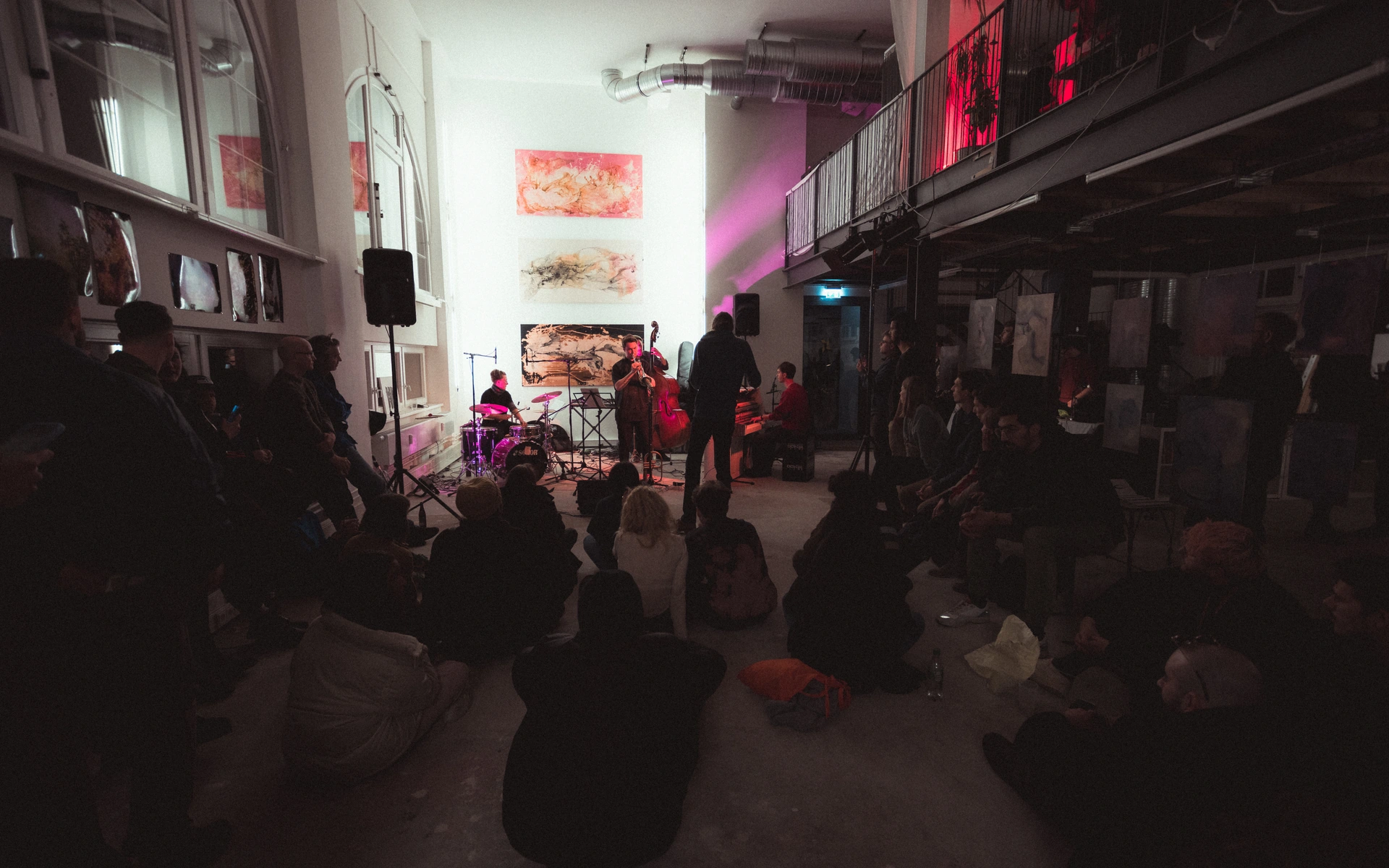
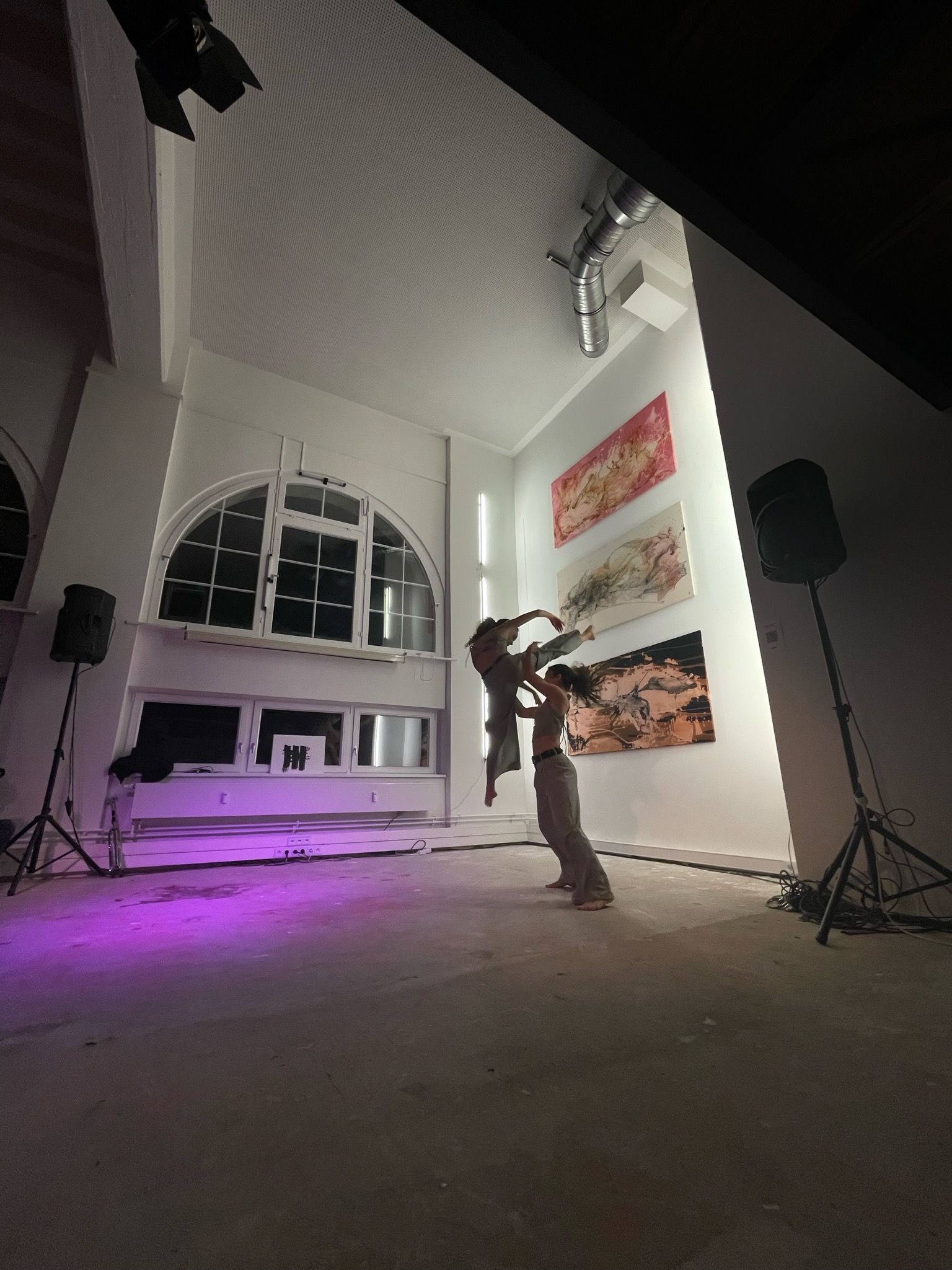


EMIK wants to create a low-threshold access to contemporary art by means of a multidisciplinary exhibition model. For artists as well as visitors, a space of experience is created in which the most diverse perspectives on art can be rethought. The focus lies on the breaking up of linear presentation models. Through the synthesis of different media, the exhibited works are to be „released from their frame“ and the visitors will be addressed on various sensory levels. The combination of painting, photography, performance, literature, music and digital art offers visitors the opportunity to find approaches tha tgo beyond purely visual reception. In this way, we want to invite visitors not only to absorb what they have experienced, but also to become an active part of this exchange together with the artists. In this sense, EMIK sees itself as an opportunity to create and experience culture together. Far away from socially constructed boundaries, we would like to direct the view to what is essential (for us): the unadulterated artistic expression that is accessible to all.
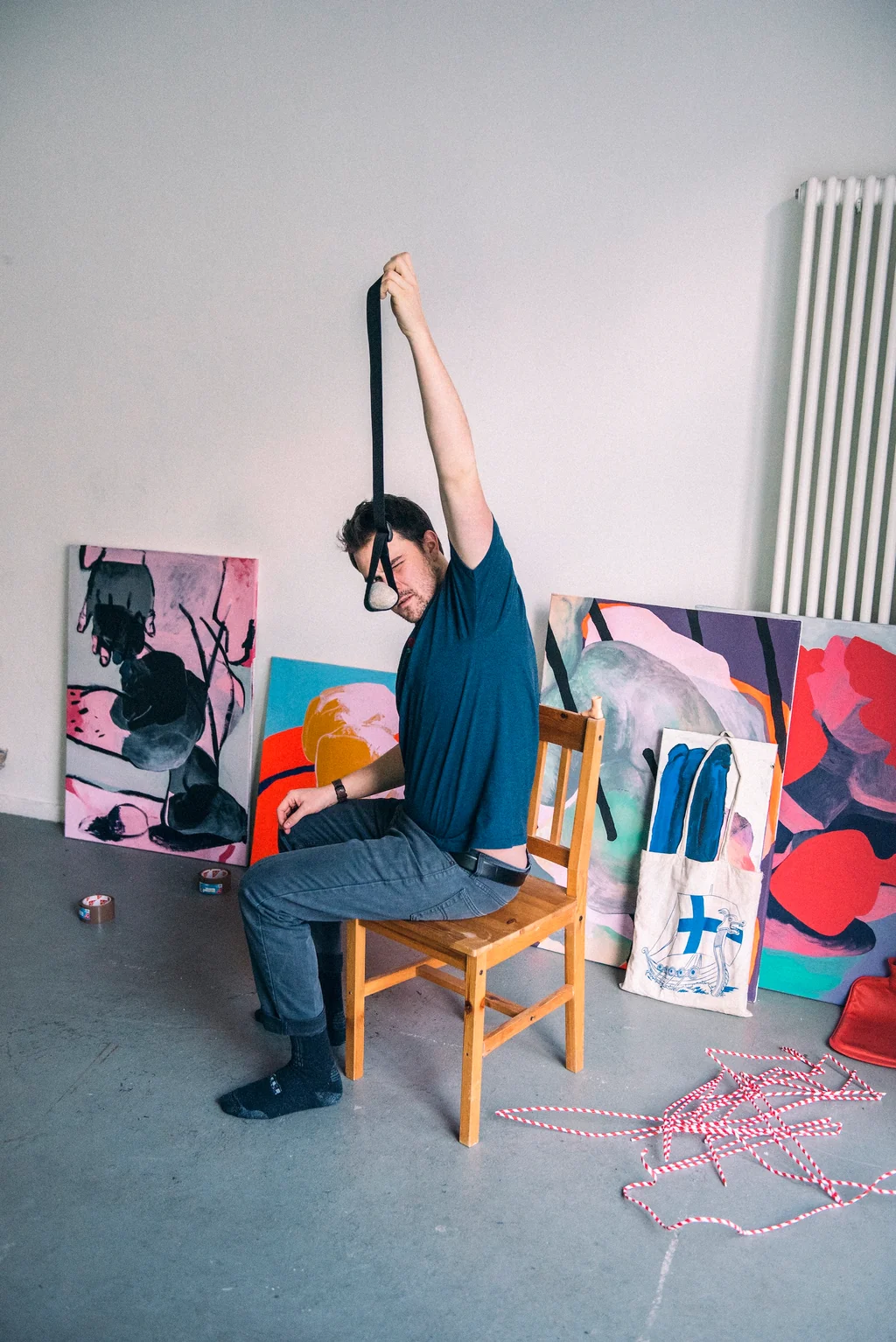
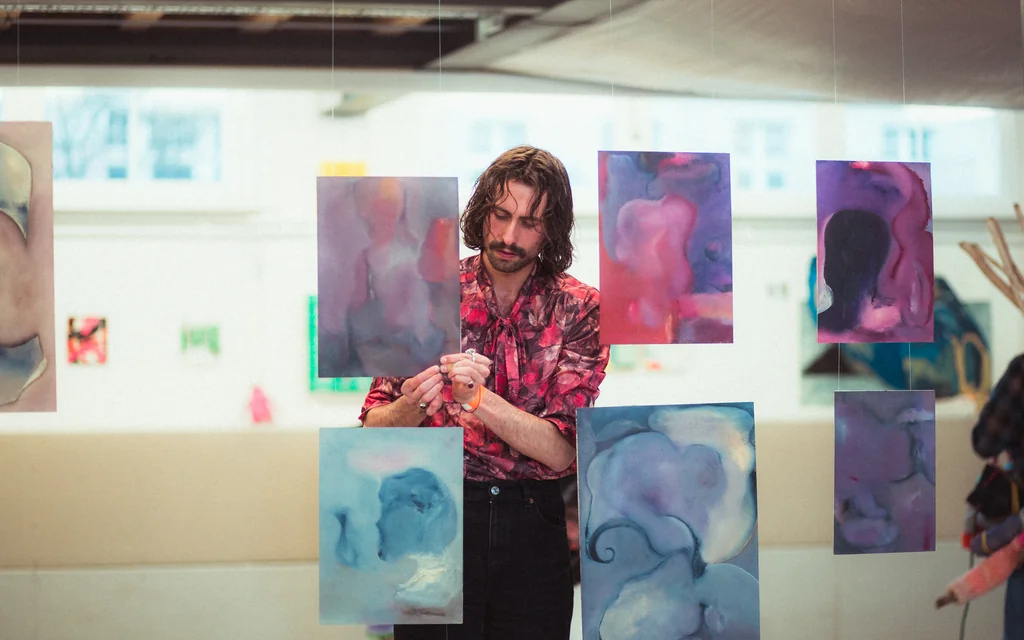
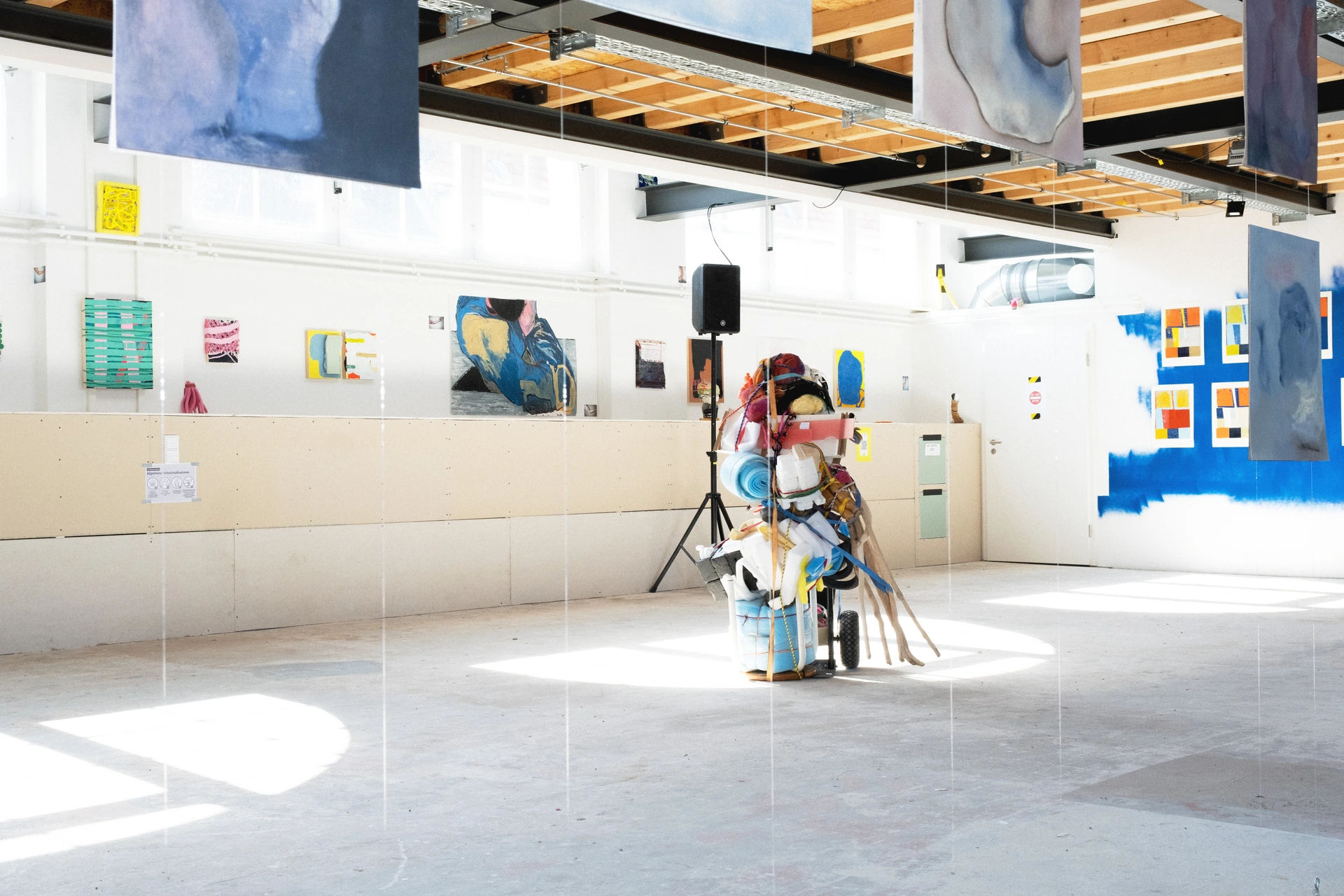
Everett Babcock is an interdisciplinary artist whose practice centers on collecting and working with found and personal materials. Through sculpture, painting, photography, video, and performance, he explores themes of weight, the body, and acts of carrying as both physical and psychological gestures. His playful, process-based approach reflects on memory, instability, and everyday experience, inviting empathy through material encounters. Born in Long Beach, California, he now lives and works in Berlin. The presented works (2019–2022) bring together sculpture, painting, drawing, and photography made from collected scrap and everyday objects. They explore movement, materiality, the body, and play, emphasizing the inseparability of mental and physical experience. Through reconfigurable sculptures and lively, object-based compositions, the works foreground the humor, character, and emotional resonance of matter.

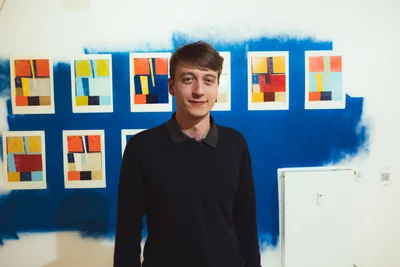
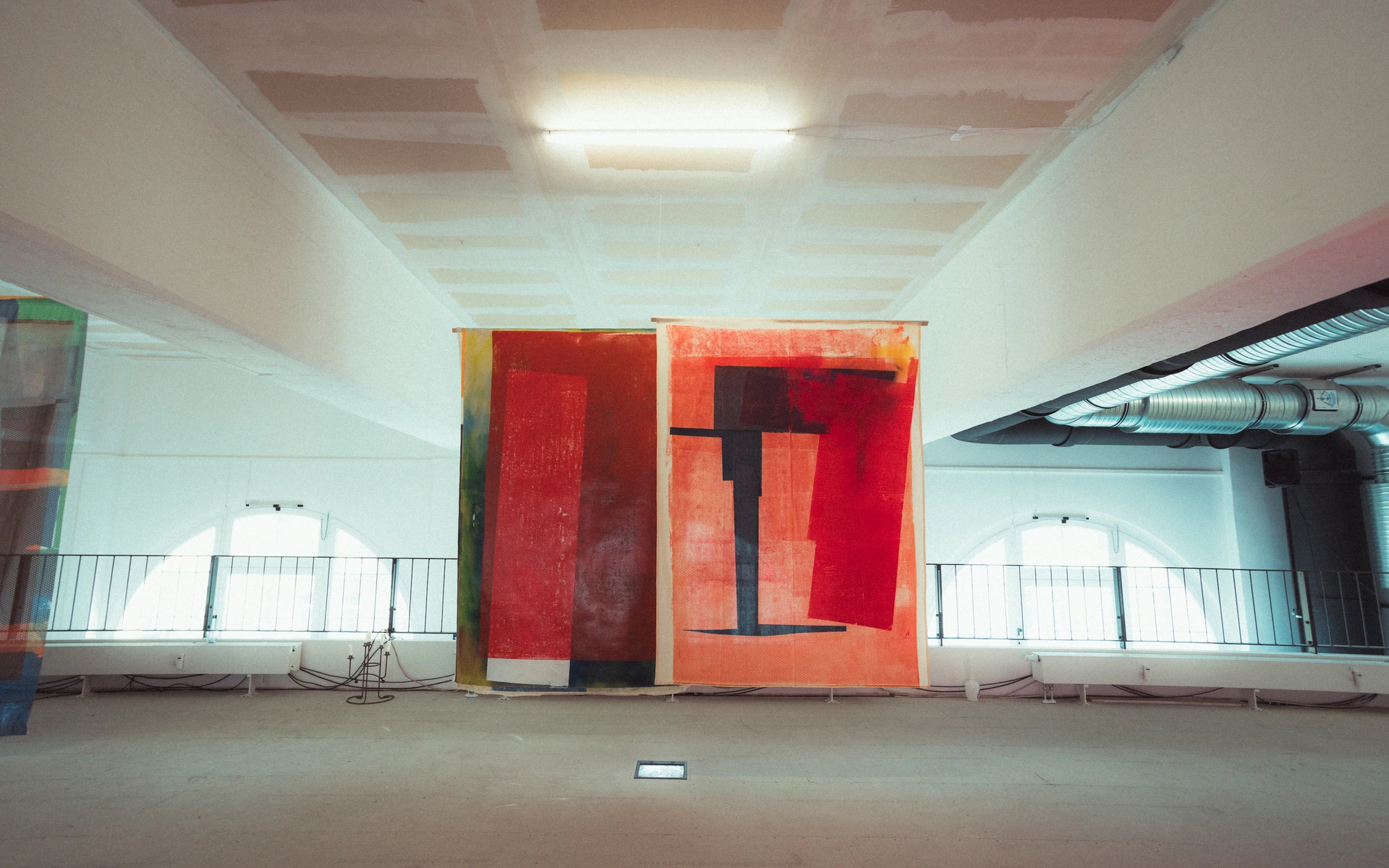
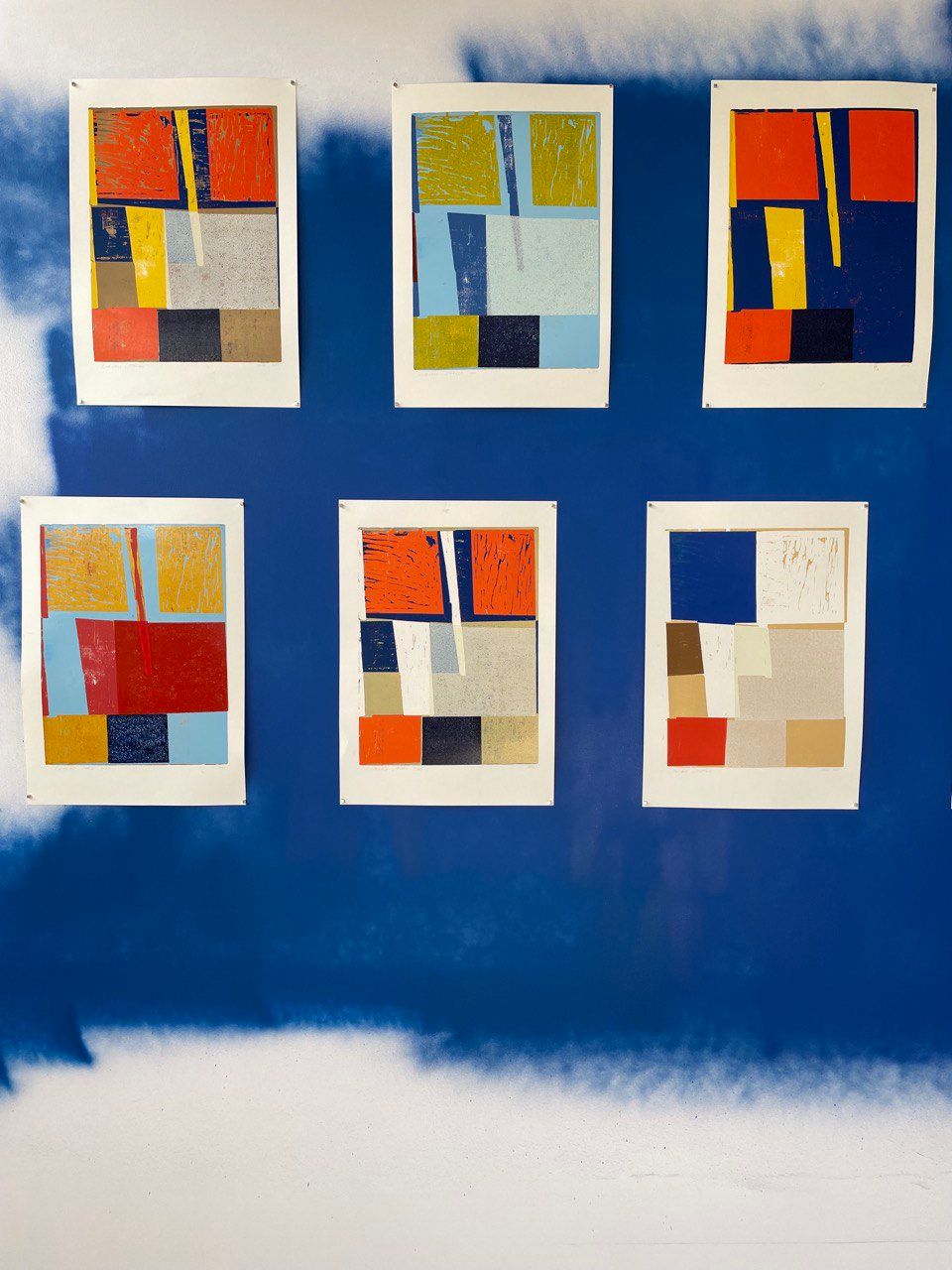
Jonas Liesau’s practice explores the relationship between letterpress printing processes and visual form. Beginning with an in-depth engagement with material, he works artisanally with wood and linoleum, contrasting the organic grain of wood with the precision of industrial linoleum. The layered printing process generates unexpected overlaps, where lines, surfaces, and structures both separate and merge. Through the condensation of form and color, his works balance stability and instability, tension and openness, creating spatial compositions in which boundaries meet, shift, and interrelate.

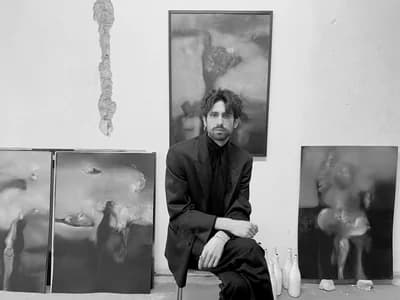
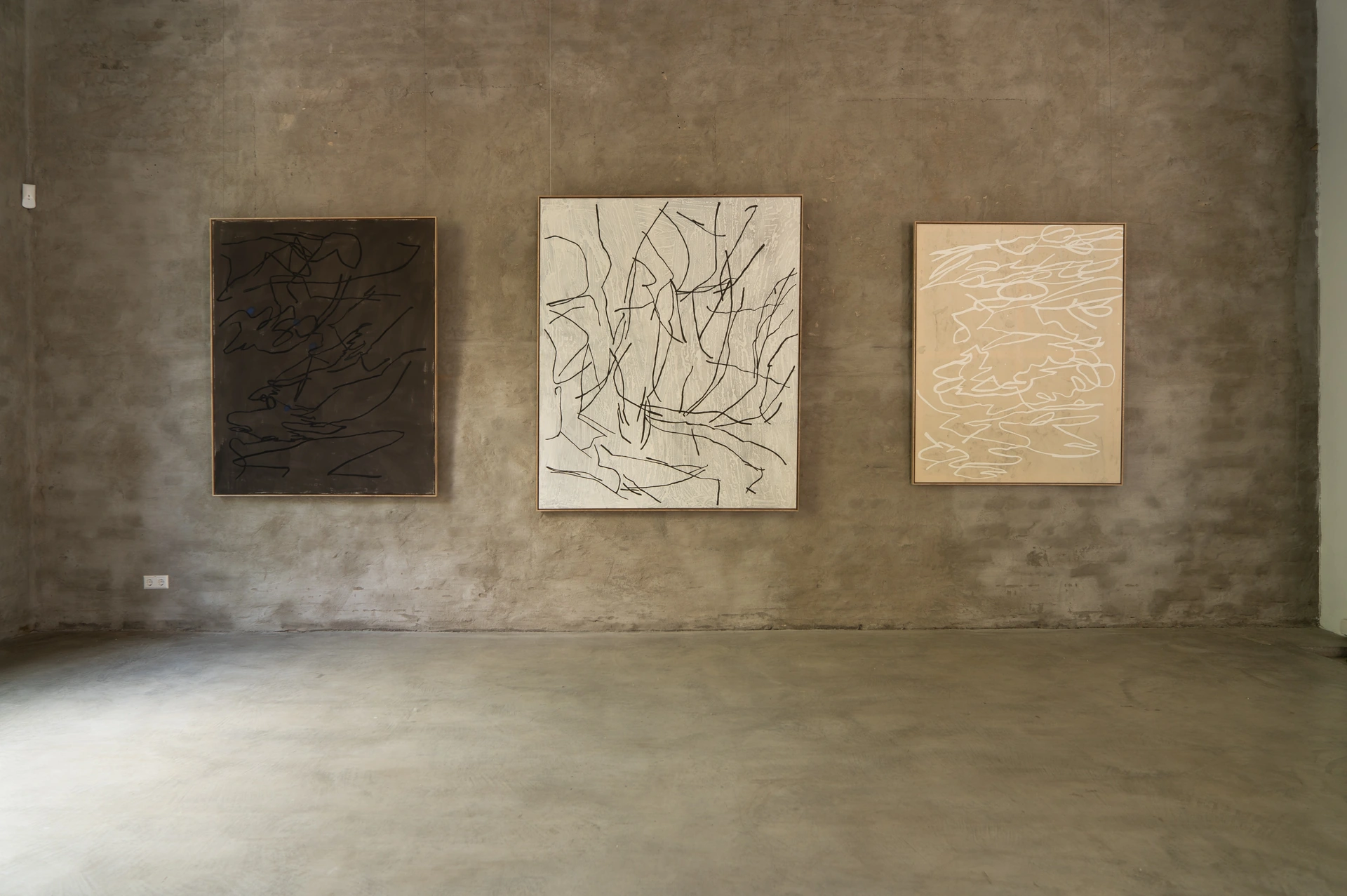
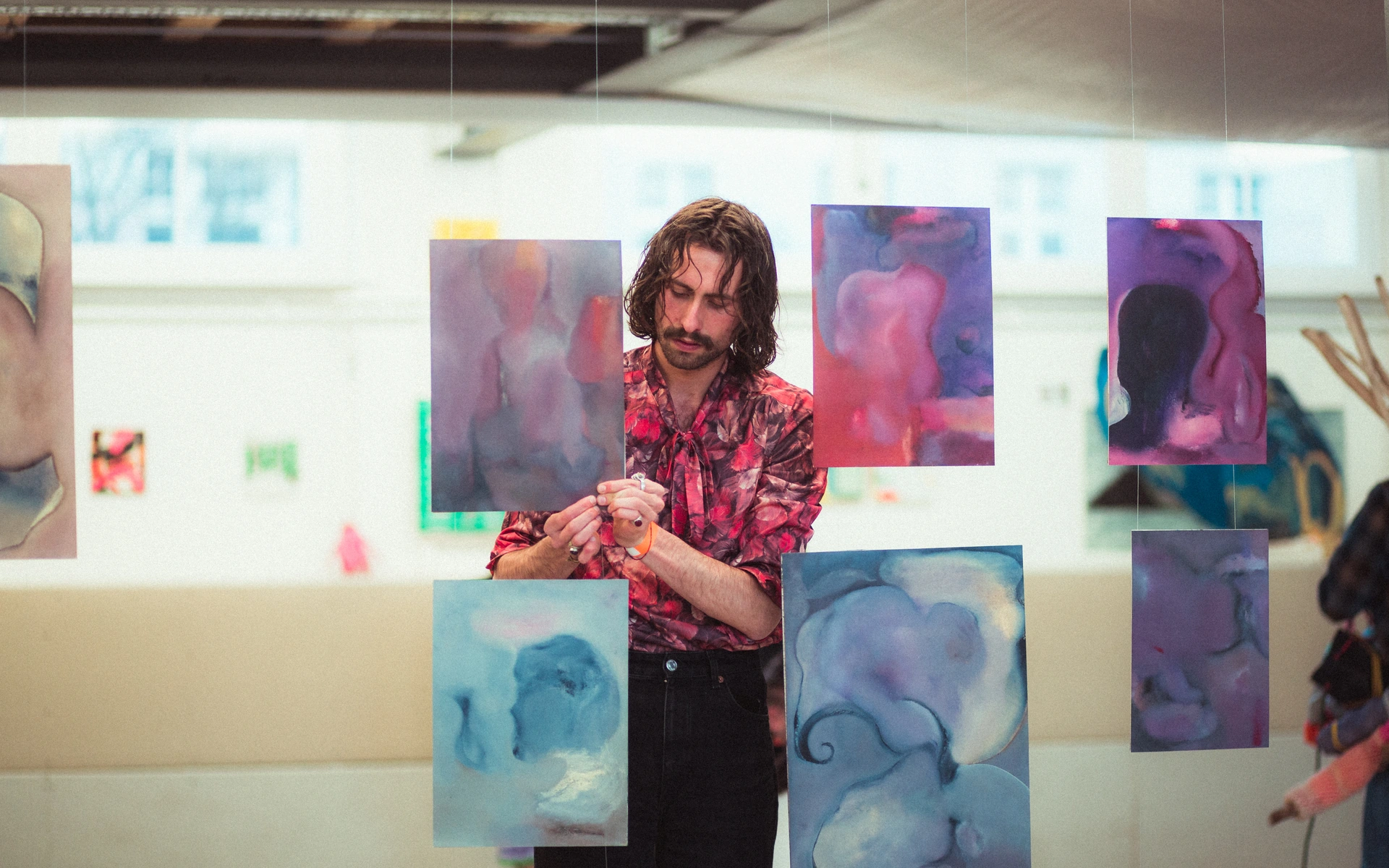
ANIDE is a self-taught artist whose practice unfolds at the intersection of the unconscious and conscious language. Drawing on philosophy, nature, music, and semiotics, he creates dreamlike compositions that explore imagination, perception, and inner experience. His work operates through correspondences—between abstraction and figuration, dream and reality, art and life—inviting viewers to trust intuition, emotion, and instinct. Exhibited internationally, he also founded Le Théâtre de la Rêverie in 2021 as a platform for exploring the imaginary. Sleeping Eyes Open is a series of paintings exploring the waking dream state. Combining abstract and figurative elements, the works invite open-ended interpretation and contemplative immersion. Painted on tree-bark paper using oil and raw pigments, the works respond subtly to changing light, creating shifting nuances that connect the paintings to time, nature, and their surrounding environment.

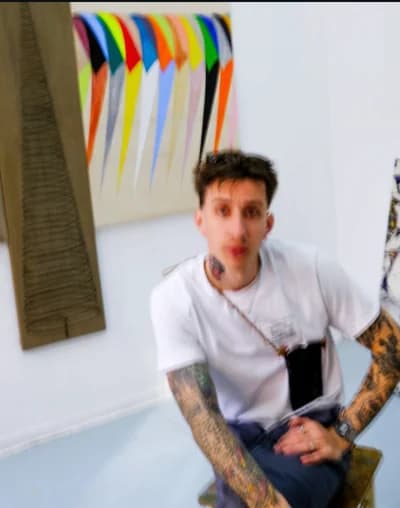
Since the end of 2020, Jonah Bache’s artistic practice has undergone a fundamental shift. Moving away from earlier, largely machine-assisted painting processes, he began to question both the material density and conceptual ambiguity of his previous work. In search of a clearer fusion between abstract painting and narrative structures, he reversed the logic of painting itself: instead of adding material, he started to remove it. This reductive approach became both a formal strategy and a source of conceptual insight. Seeking a more fluid and autonomous process, Bache turned to fire. Burning holes into the canvas allows him to work at the threshold between control and loss of control, introducing chance as an active component of the composition. The placement of these perforations follows the grid of Braille, enabling the artist to integrate written language into the work in a simultaneously direct and encrypted manner. Born in 1996 in Luxembourg City, Jonah Bache was trained early in the visual arts, specializing in illustration and painting. Influenced by subcultural movements, he developed a multidisciplinary practice that also includes photography, video, and traditional tattooing.

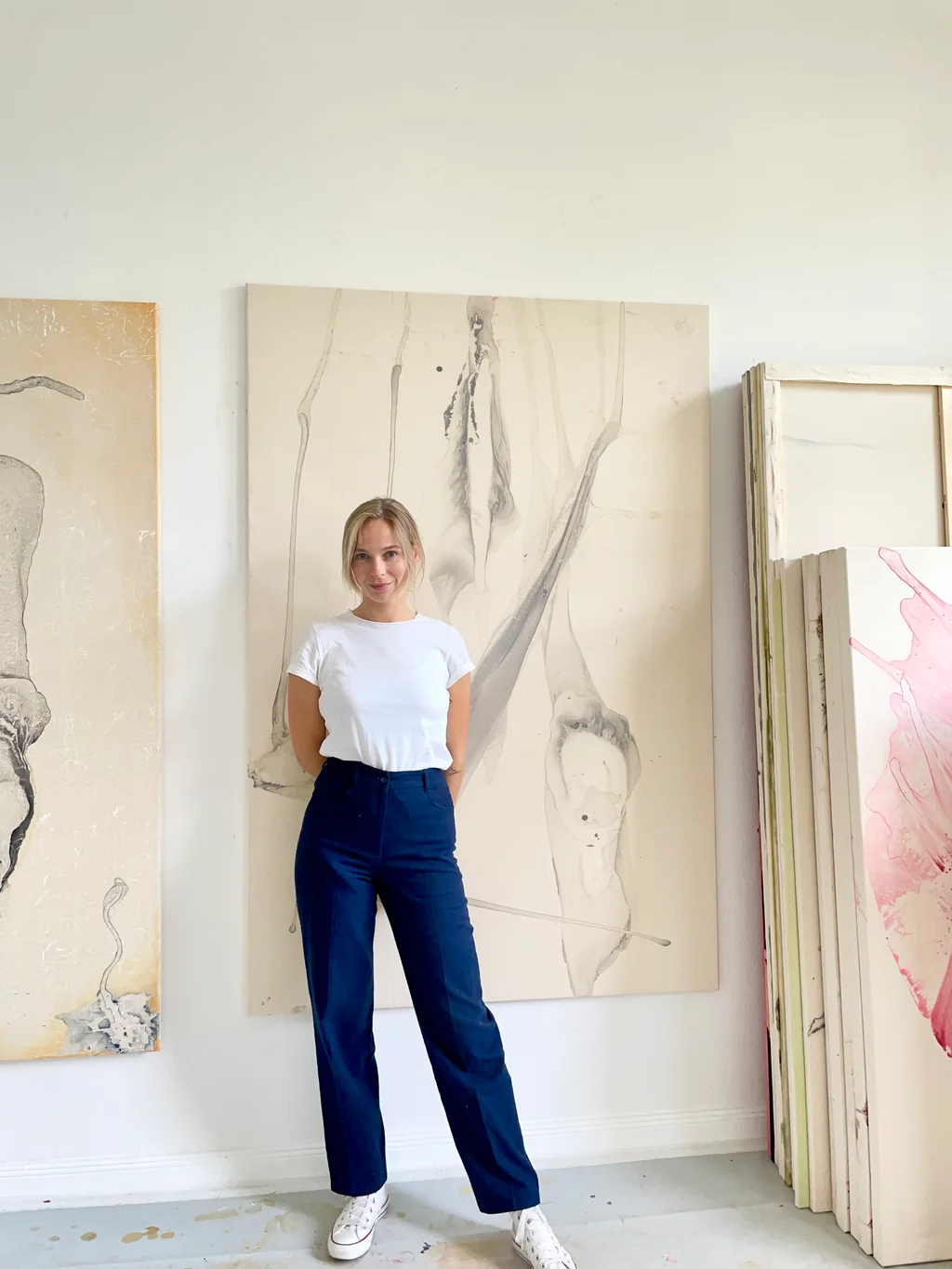
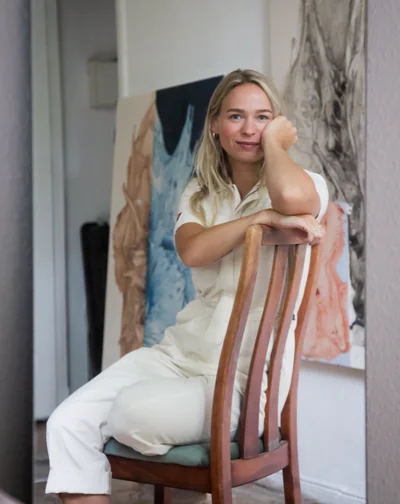
Lilian Mühlenkamp creates large-scale abstract works that explore the tension between chance and control. Using watery, highly diluted paint on unprimed canvas, she lets color flow freely while intervening to shape, frame, and guide the forms. Her process balances gestural, radical movements with precise, meticulous actions, creating a dynamic interplay of fluid, glowing shapes and sharp, defined areas. Synesthetic impulses—from memories of people, moments, or sensations—often inform the colors and movements in her work, resulting in paintings that are both visually vibrant and conceptually rich. In her latest project, Mühlenkamp’s canvases begin almost like negatives, removing color from the fabric to create depth and luminosity. Layering diverse techniques, including painting and drawing, she generates spaces that appear to move and breathe, where fluid forms and defined areas coexist in tension. The resulting works combine vitality, depth, and dynamic abstraction, inviting viewers into a meditative yet visually charged experience.

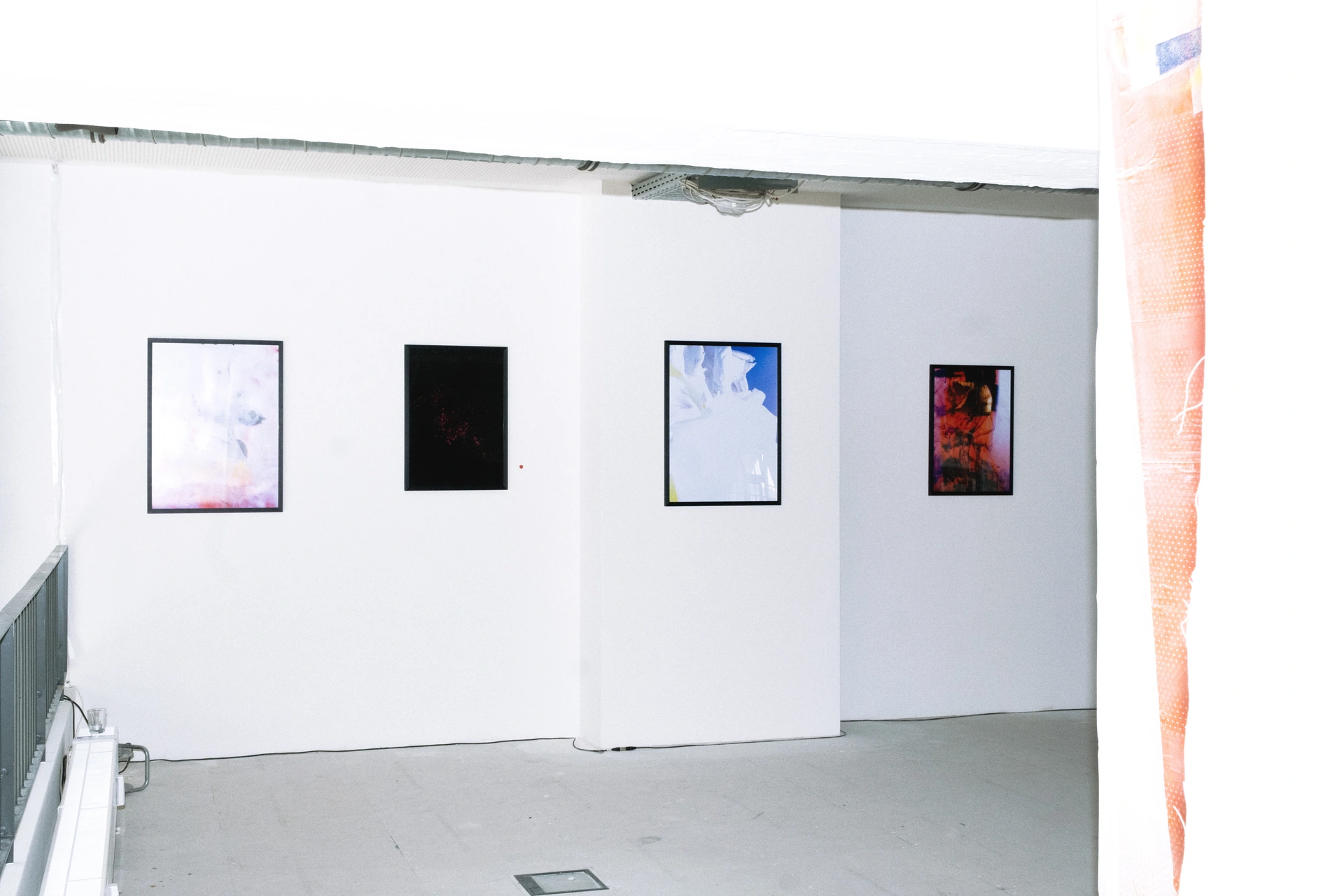
Maximilian Heckmann began his artistic journey with black-and-white photography and dark aesthetics, which gradually evolved into vibrant, colorful imagery. Influenced by the visual culture of the 1980s and 1990s, he is drawn to combining diverse themes and motifs, creating photographs that captivate through composition, color, and staged abstraction. Heckmann’s Flower Series, initiated during the pandemic, transforms everyday objects and discarded materials into floral-inspired motifs through clever set design and lighting. By minimizing post-production, he achieves strong colors and abstract effects directly in the photographic process. The series reimagines familiar subjects, offering fresh perspectives on commonplace forms and reflecting the need to simplify and focus amid the overwhelming stimuli of modern life. Heckmann lives and works in Mannheim, Germany.