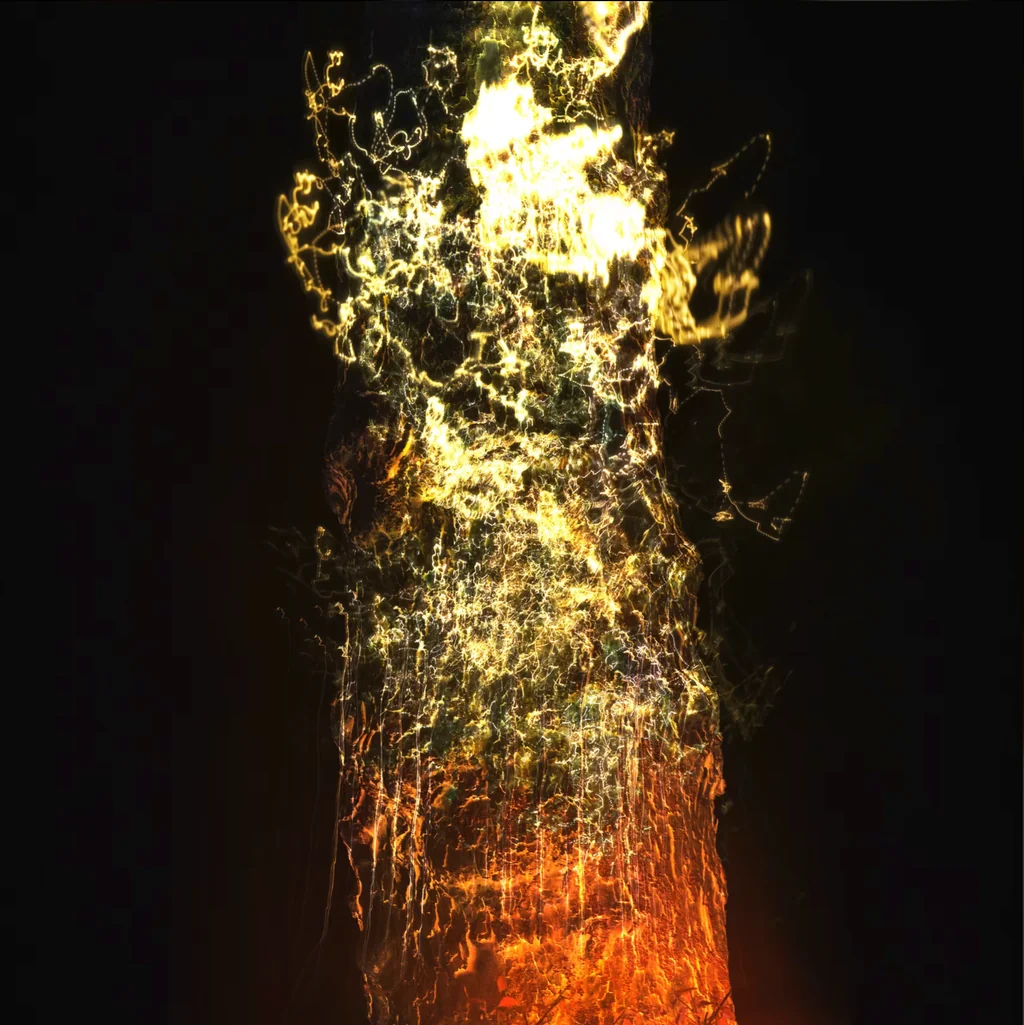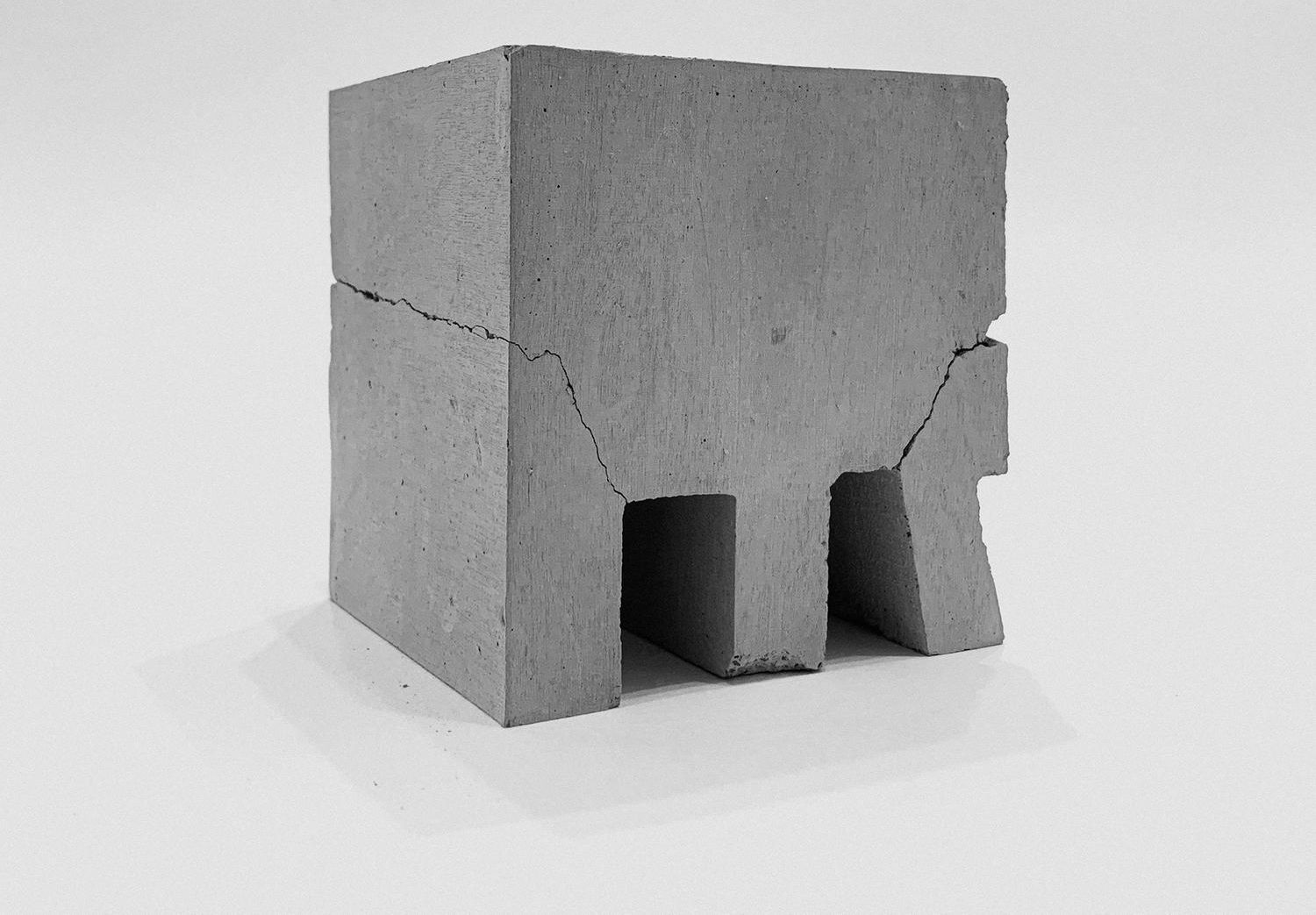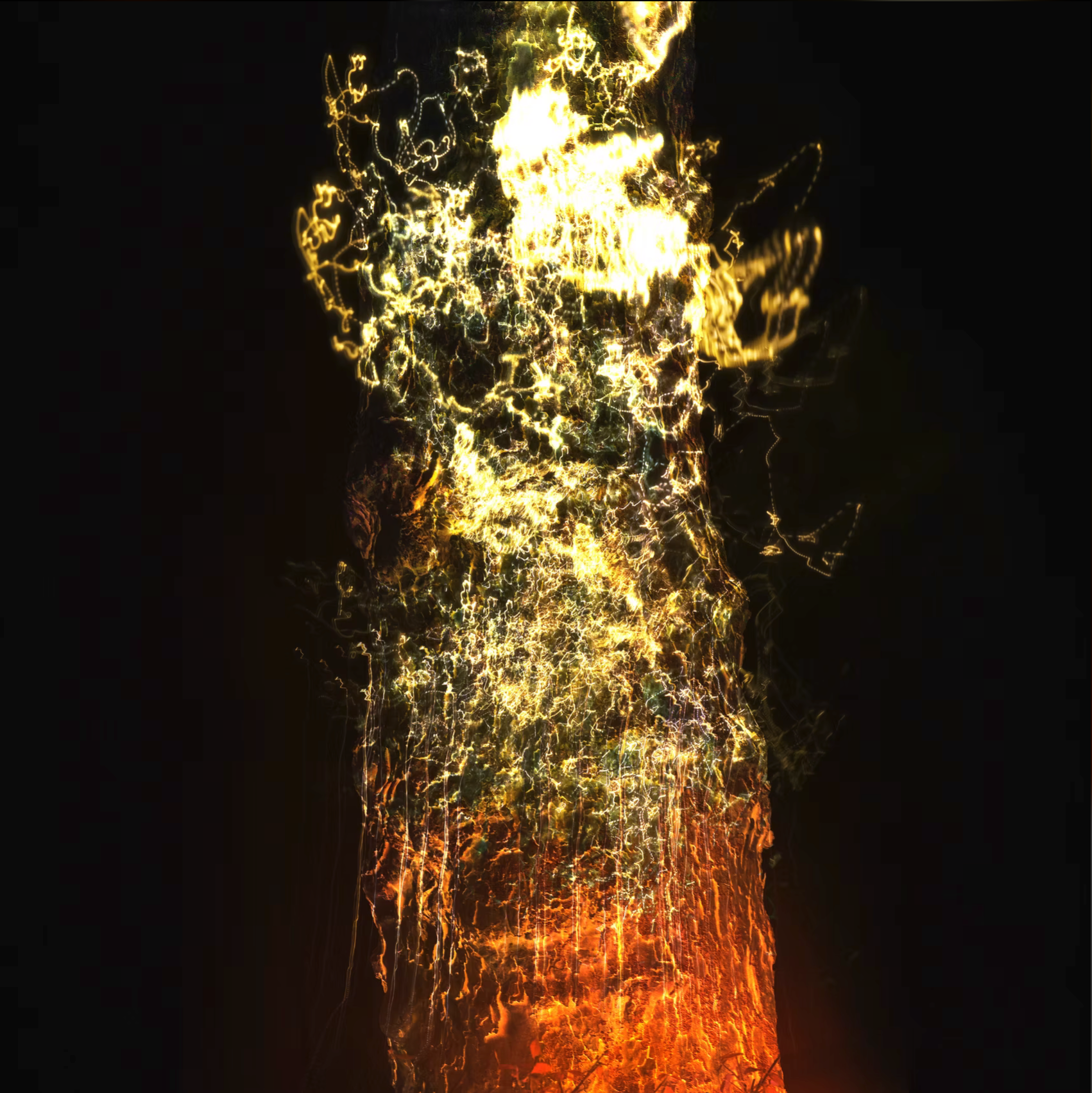
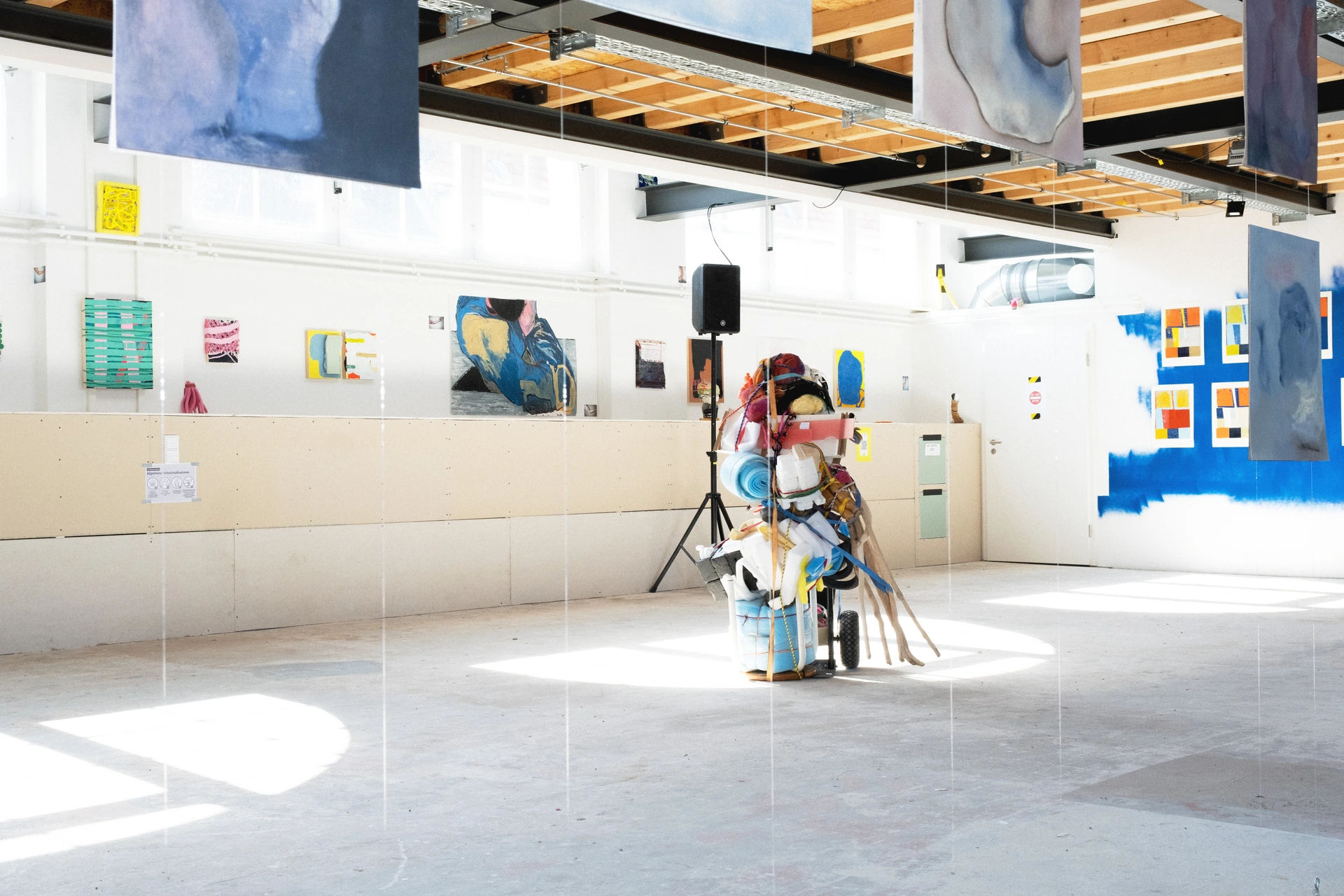
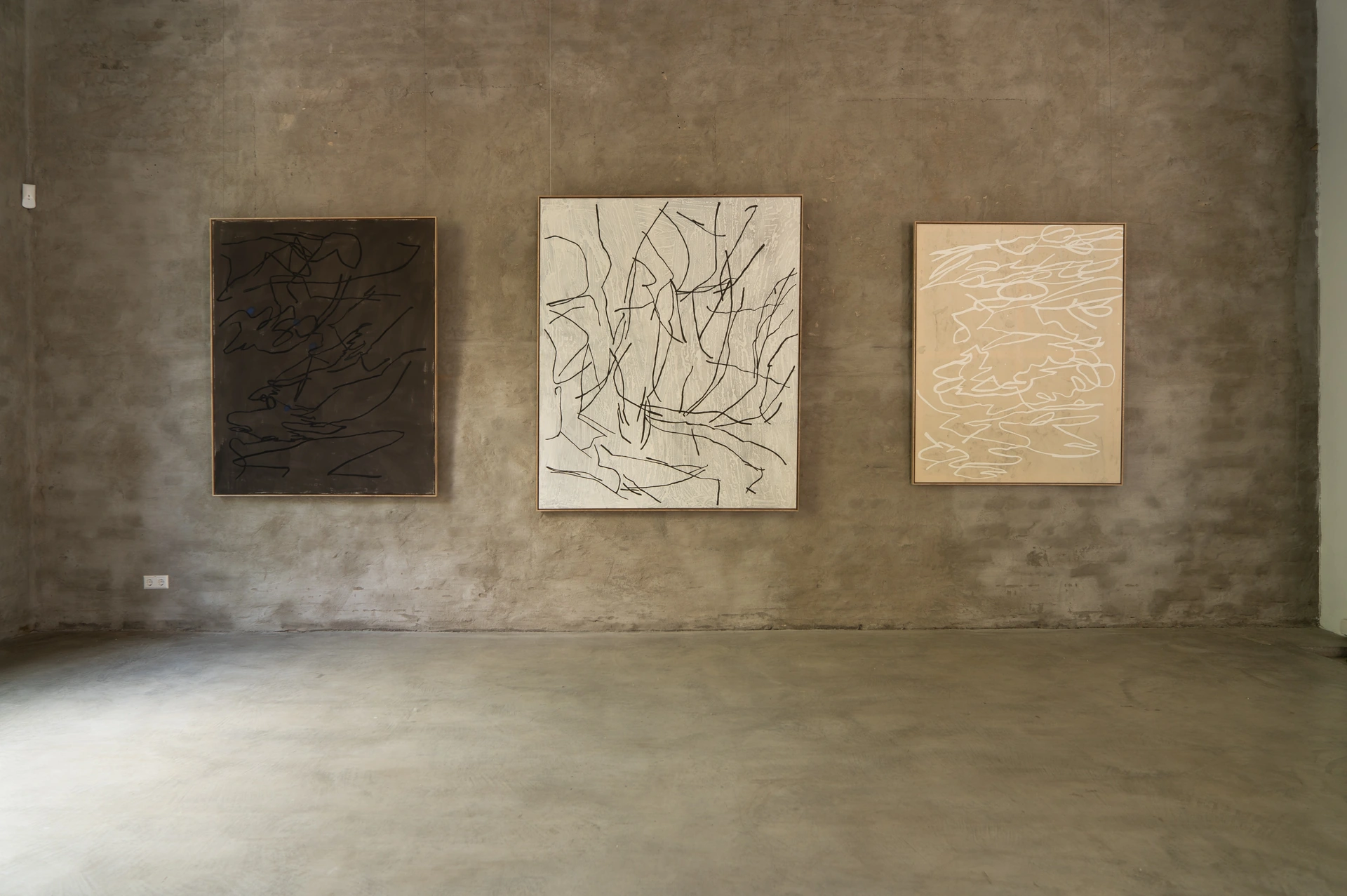
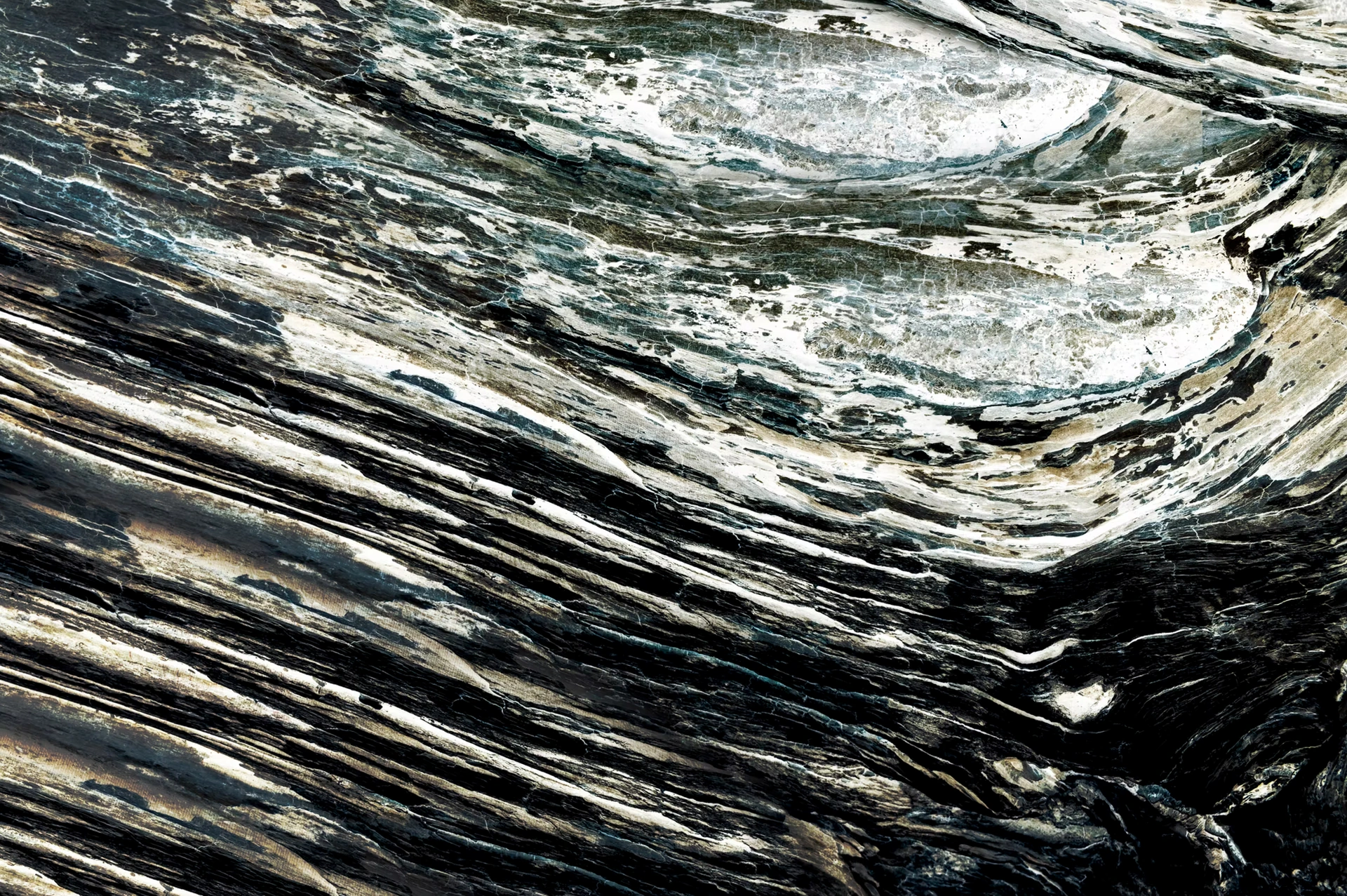
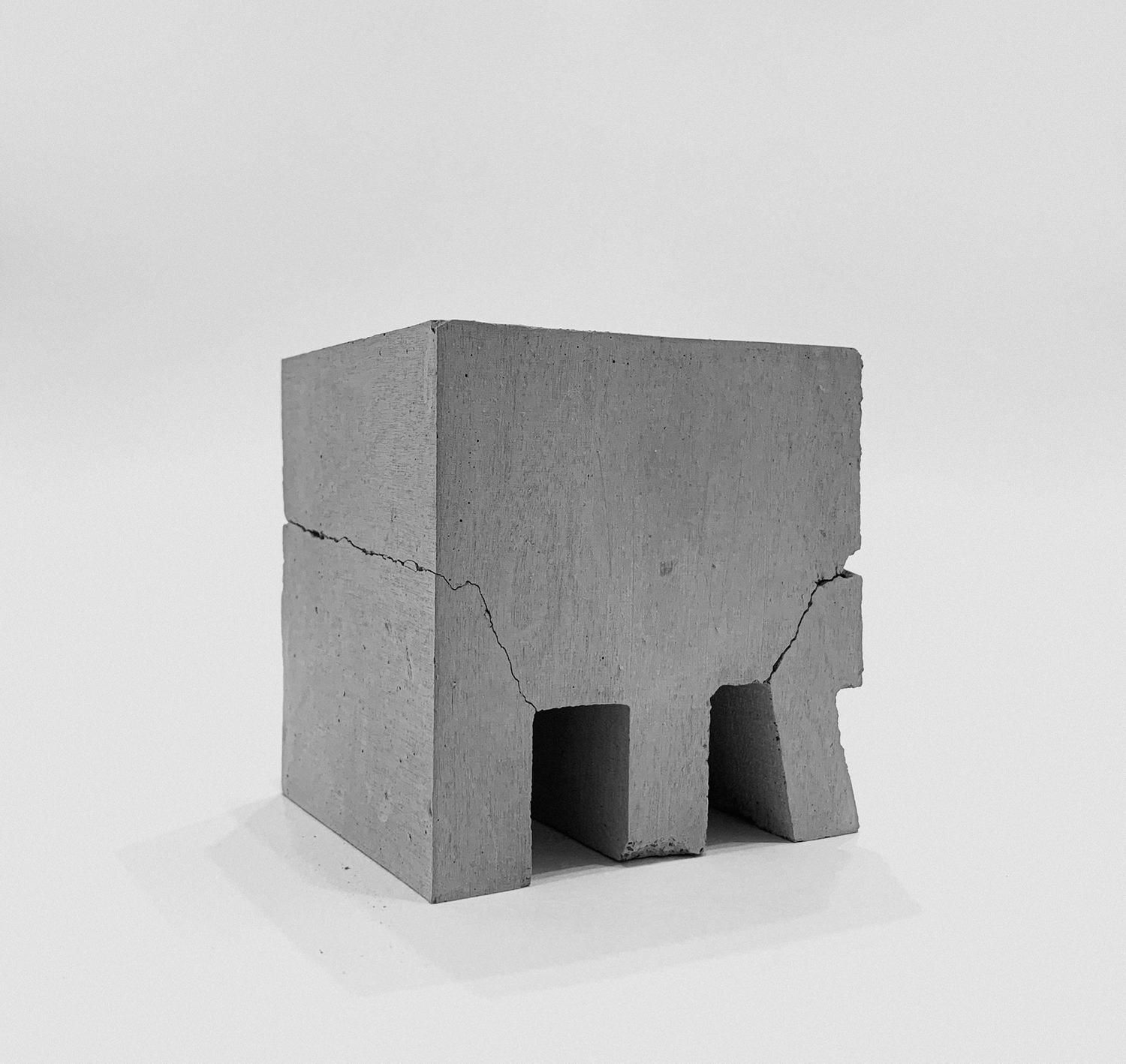
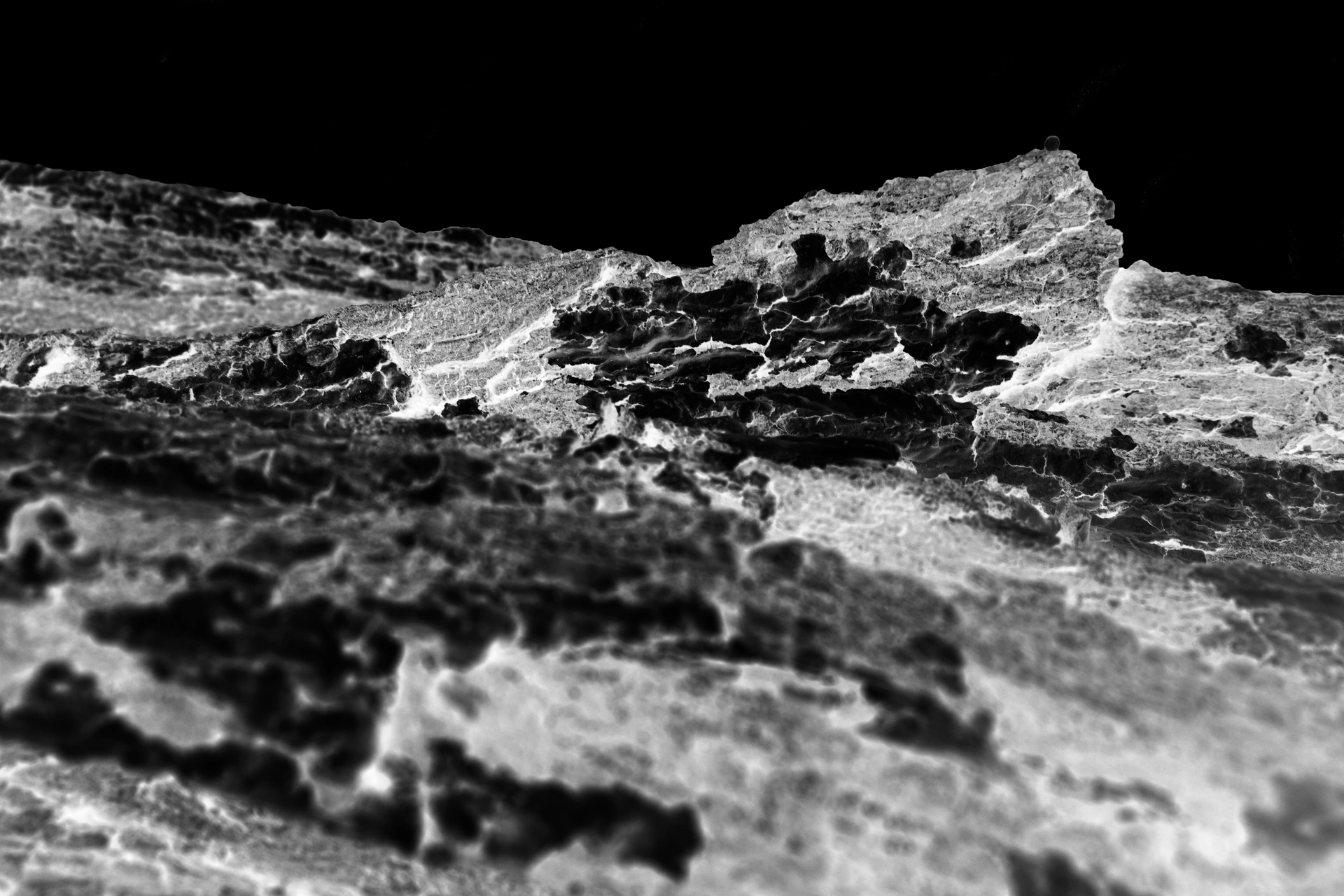
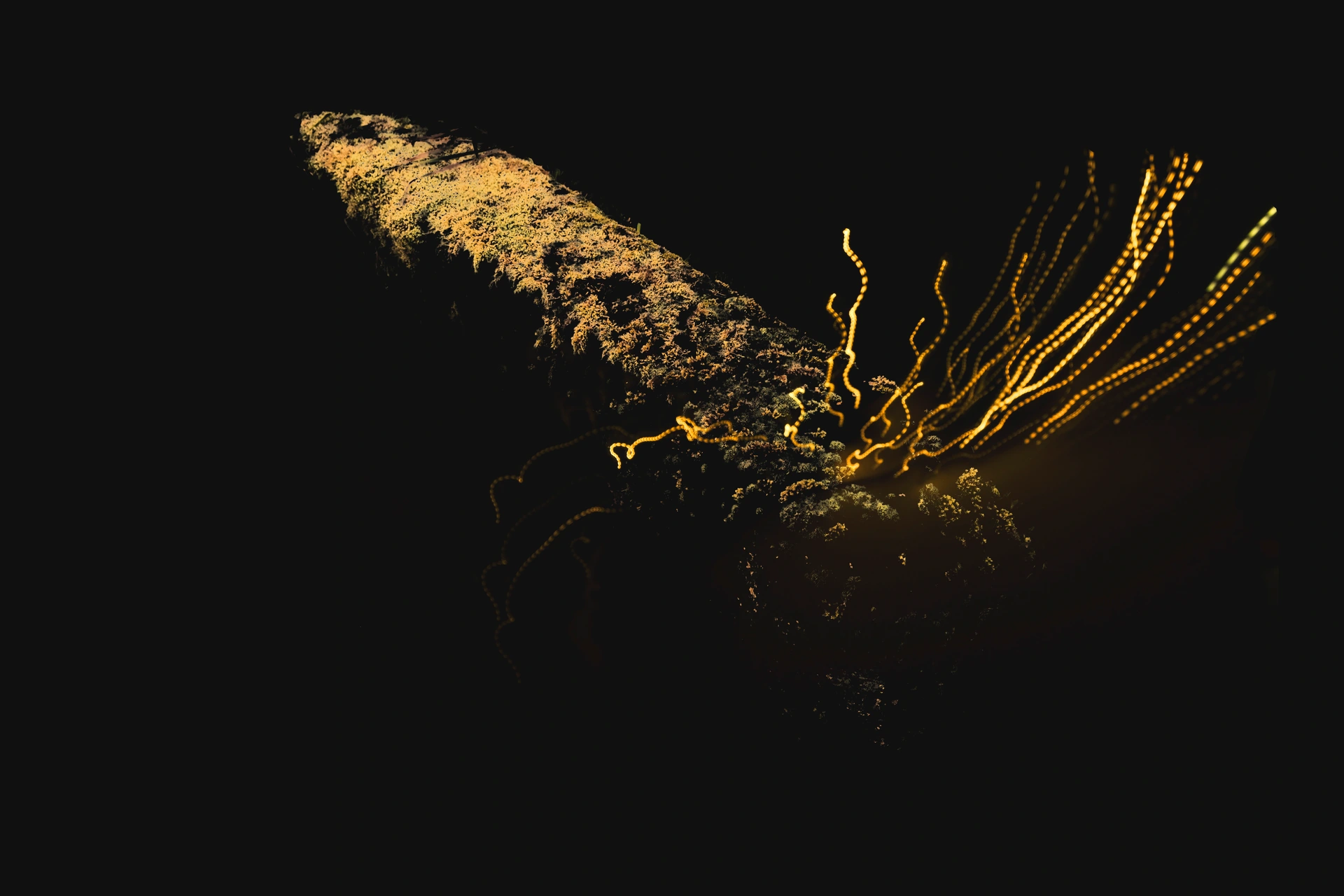
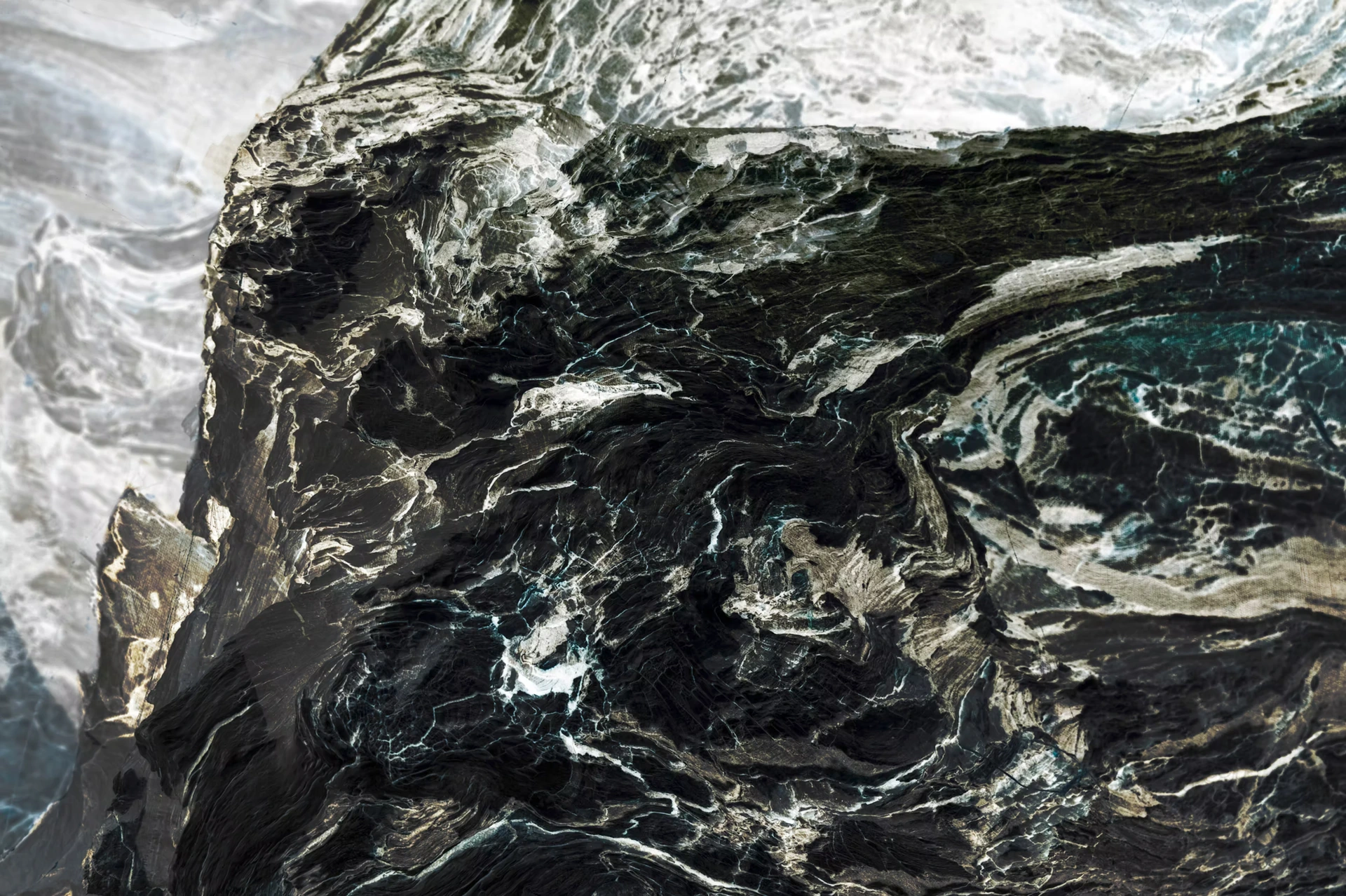


Since 2018, more than half of the global population has been living in urban areas—a historical turning point. By 2030, this share is projected to reach 60%. Few places illustrate the scale and speed of this shift as dramatically as Shenzhen, China, which evolved from a fishing village of roughly 30,000 inhabitants into a metropolis of more than 12.5 million within just three decades. Despite such rapid and often extreme urbanization—and the escalating ecological, social, and psychological pressures that accompany it—the urban environment is largely accepted by its inhabitants as a natural and unquestioned condition of contemporary life. The built world is experienced as an implicit norm, even as its consequences become increasingly difficult to ignore. CONCRETE UNCERTAINTIES responds to this paradox. Through artistic interventions by DTA and Iyho that traverse street art, typography, painting, photography, and digital distortion, the exhibition investigates how urban space is perceived, inhabited, and imagined. The works consider the precarious future of cities in an era marked by resource scarcity, climate volatility, and shifting social dynamics, revealing the tension between stability and fragility that defines contemporary urban existence. Extending beyond the exhibition walls, Iyho presents a combined text-based and walk-in installation situated in the green outdoor area of the studios. By interweaving spatial encounter and written language, the installation blurs the boundary between the constructed and the natural, the readable and the experiential. Visitors move through a landscape where text becomes part of the terrain, guiding and disrupting perception while prompting reflection on the narratives that shape our relationship to the urban world. In this hybrid environment—where vegetation, built structures, and artistic interventions coexist—questions arise about how we occupy space, how we define “nature,” and how our (urban) living conditions may evolve in the face of accelerating change. Together, the works inside and outside the exhibition space invite a reconsideration of the environments we create and inherit, and of the uncertain trajectories that lie ahead for the cities we increasingly call home.

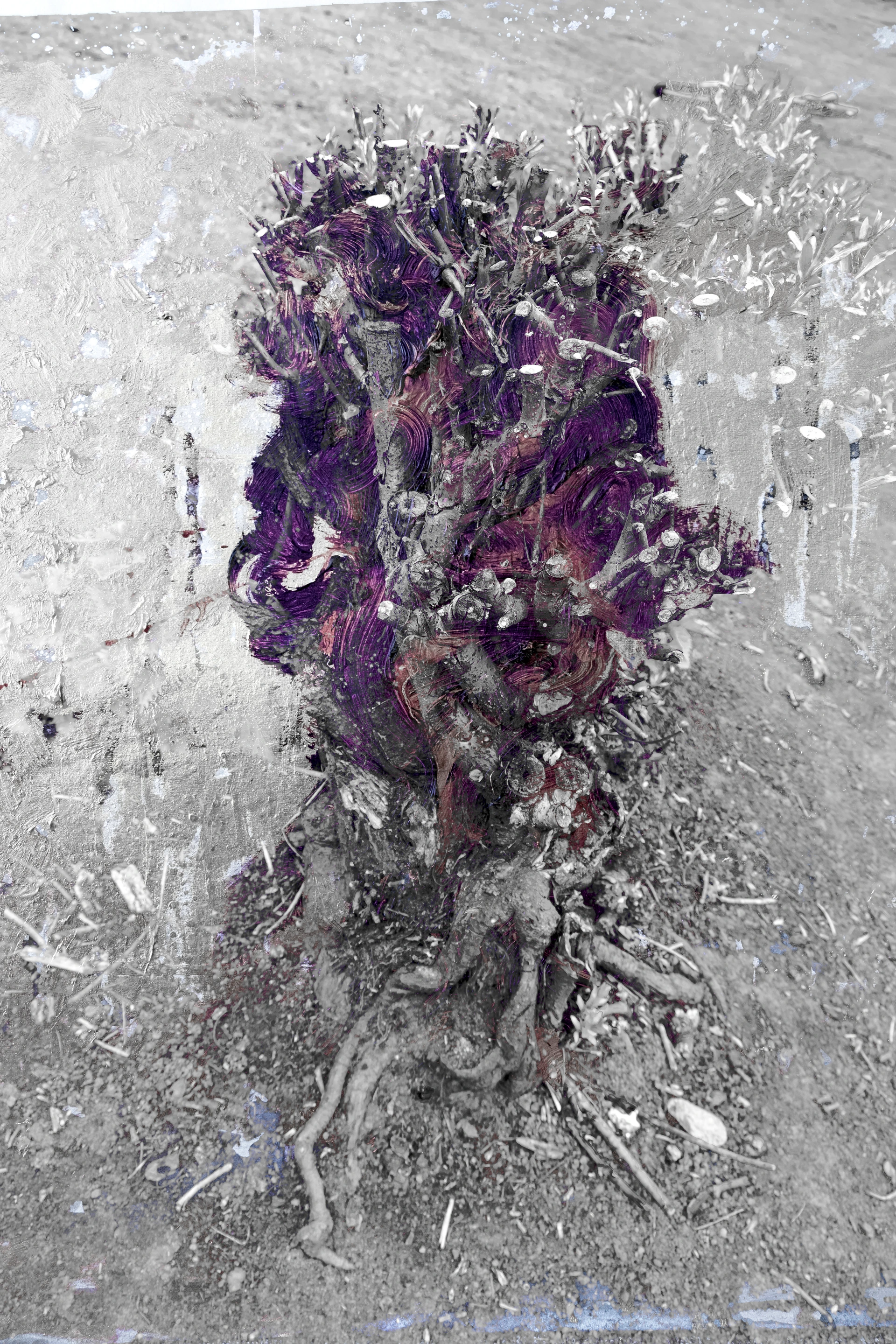
Half architect and half artist, Iyho navigates between moments of guarded optimism and a more somber awareness of our collective future. His practice allows the subconscious to surface, translating the tensions of our contemporary condition into painting, photography, drawing, and writing. These mediums become a way to process and reframe the social, ecological, and emotional pressures that define the present. As an emerging artist working in a moment marked by environmental uncertainty and rapid urban transformation, Iyho seeks to encourage his generation to reflect on the altered environments that increasingly surround us. This interest is deeply informed by the writings and theories of French landscape architect, horticulturalist, and thinker Gilles Clément—an influential figure in contemporary landscape discourse. Clément is known for developing concepts such as the Jardin en mouvement (“garden in motion”), the Jardin planétaire (“planetary garden”), and the notion of the tiers paysage (“third landscape”). The latter refers to leftover, neglected, or indeterminate spaces—roadside edges, abandoned lots, industrial margins—where spontaneous biodiversity is able to thrive precisely because these areas escape strict human control. For Iyho, these ideas offer a theoretical baseline for understanding the environments that shaped him. Raised as a millennial on the outskirts of several cities, he grew up not with an idealized version of untouched nature, but with this hybrid, often overlooked landscape—what Clément would describe as the third landscape and what others have termed “post-nature.” These spaces form the backdrop of his artistic inquiry: terrains that are neither fully natural nor fully urban, yet profoundly revealing of how society interacts with the living world. By engaging with these concepts, Iyho’s work invites viewers to examine the conditions of their own surroundings, encouraging a deeper awareness of the ecological and psychological realities embedded within the everyday landscapes of contemporary life.

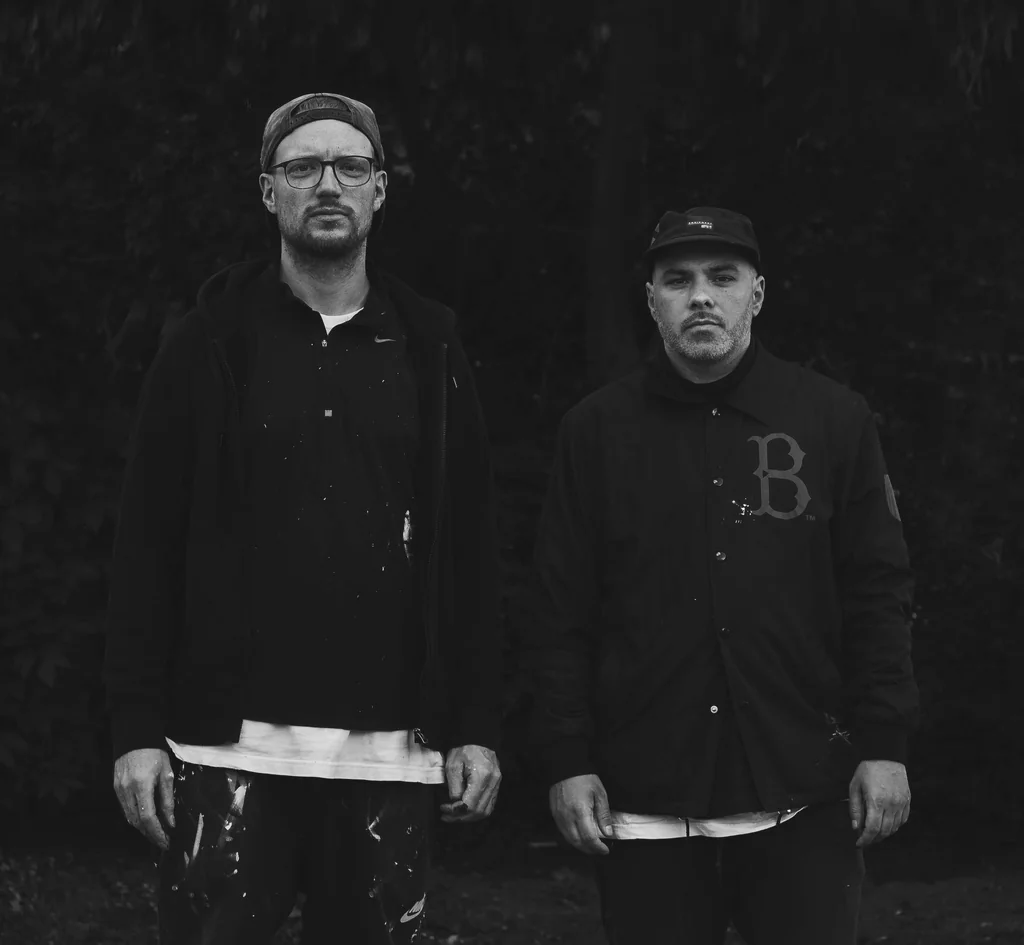
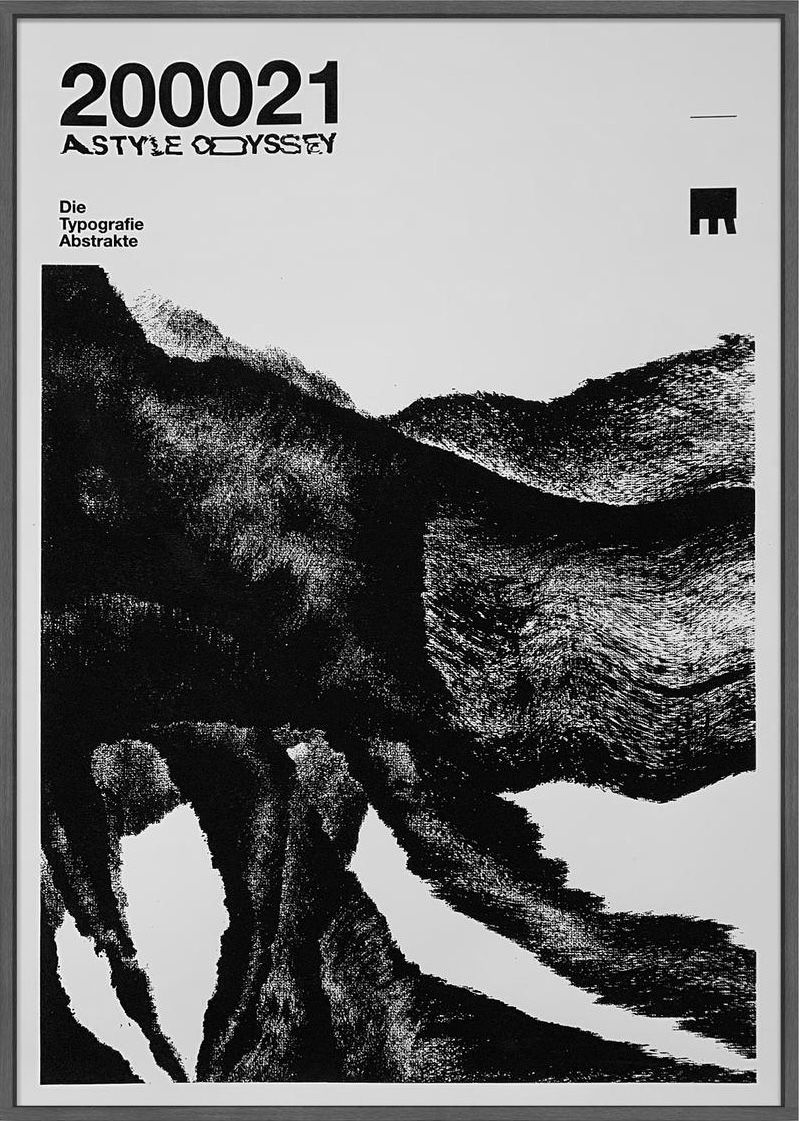
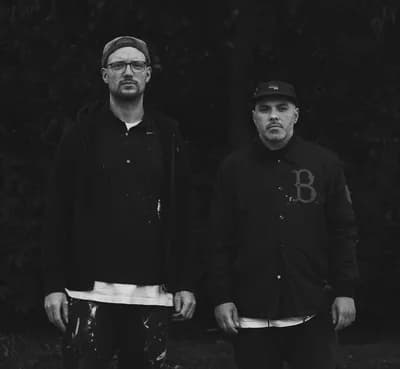
Die Typografie Abstrakte (DTA) is the name of the urban art collective consisting of the artists and graphic designers Patrick Reinwald and Florian Perez. After more than two decades in the classic graffiti scene, they made a stylistic break in 2020 and founded "Die Typografie Abstrakte". From now on, the focus was no longer on the classic self-presentation of a graffiti artist, but on an abstract, open-ended exploration of typography and its interaction with urban elements, as well as the viewer. Their works range from small and medium formats to sculptures and large outdoor surfaces. The techniques and media vary greatly. The core of their typographic expression is to take away the existing meaning of the letter. If typography otherwise forms a universal basis of human communication, the two thus manage to create space for interpretation and the viewer's own interpretations in what are actually familiar forms. The two describe the learned forms of typography in an almost aggressive way to fragment in order to create something abstract as the driving force of their work. Through their different, complementary, styles, they also manage to create a dynamic within the artwork, which captures the viewers and allows them to lose themselves in this correlation.